Hey there, if you’ve ever wandered around an electric motorcycle showroom or been deep in a forum geeking out over two-wheeled EVs, you’ve probably caught someone arguing about the start system. Old-school gas bikes have had keys for decades, right? But electric motorcycles? It feels like a gray area sometimes—some folks swear by a key start, others think push buttons are the only way to go. As someone who’s been in the electric motorcycle supply game for years, I’ve worked with both designs, tested them on city streets and back roads, and talked to hundreds of riders who love (and hate) each setup. Let’s break this down straight, no fancy jargon, just real talk from someone who’s actually got skin in the game. Electric Motorcycles

First, let’s get one thing out of the way: it’s not a universal answer. Some electric motorcycles have key starts, some have push buttons, and a bunch even have both. The choice usually boils down to why a manufacturer picks one over the other, and what riders actually end up preferring. Let’s start with where key starts fit in, because a lot of people assume electric bikes ditch keys entirely—but that’s not true. When I first got into this business, a lot of our entry-level electric models used basic key start systems, and there’s a solid reason for that. For new riders, especially ones moving up from gas scooters or smaller bikes, a key is familiar. You turn it, everything fires up, and it feels like something they already know. No fumbling with a random button to start, no wondering if you pressed the right thing.
But wait, what kind of key? It’s not the old metal blade key for gas bikes. Most electric motorcycle keys are plastic fobs, right? They do the same basic job: cut power to the battery when the bike’s off, lock the ignition, and sometimes lock the steering wheel so no one can roll it off if you’re parked. Some cheaper models even use a basic magnetic key that you just tap to a sensor instead of turning, which is a tiny upgrade but still counts as a key start. I remember when we launched our mid-range model a couple years back with a key start, and the feedback from new riders was almost all positive. “It feels normal,” one guy told me—he’d only ever ridden gas bikes, so switching to electric with a key was less of a shock. The downside of key starts? Well, keys get lost. I’ve had three customers in a month call panicking because they left their key at a coffee shop, or it fell out of their pocket on the highway. Replacing a key for an electric bike isn’t as simple as copying a house key, either. You have to sync it with the bike’s system, which means bringing it to a dealer, and that’s a hassle no one wants.
Now let’s talk about push button starts, which have blown up in the electric motorcycle world over the last five years. Almost all our premium models use push button starts now, and there’s a big list of pros that make sense for more experienced riders. First, no physical key to carry. Your phone or a small fob usually works, so you don’t have to worry about digging through your bag or pocket for a key while you’re late to work. Push button starts also let you add extra features that keys can’t. Think anti-theft systems that arm automatically when you walk away, or push-to-start that’s tied to your phone’s Bluetooth—if your fob is out of range, the bike won’t start. I’ve seen a few of our customers with push button models say they love that they can keep their keys and phone in one pocket, no extra thing to lose. On the road, too, push buttons are just faster. When you’re in a hurry, you don’t have to fumble with a key turn—just tap one button, and you’re good to go. That’s a big win for city commuters who’re dodging traffic or rushing to make a bus connection.
But push button starts aren’t perfect, and I’ve heard way more complaints about them than you’d think. The main one is dead batteries. If your fob dies, or the bike’s sensor that reads the fob glitches, you can’t start the bike. I had one customer last winter who parked his premium model at a train station overnight, and the cold killed the fob’s battery. He had to wait two hours for a ride to work, and another two to get a replacement fob. Keys don’t have that problem, obviously. Another thing? Push buttons feel flimsy to some long-time riders. I’ve had a few guys who’ve been wrenching on bikes for 20 years say push buttons are a “cheap plastic gimmick,” and they’d rather have something solid that won’t break if they drop the bike. I get that—when you’re leaning a bike in a gravel lot, you don’t want to worry about a button cracking. And let’s not forget: push button starts are more expensive to manufacture. That’s why you almost never see them on budget electric bikes. The extra wiring, sensors, and anti-theft tech adds up, so manufacturers have to pass that cost on to riders.
Wait, so is there a middle ground? Yeah, a lot of the better electric bikes now have both. You can use a key as a backup, or a push button for daily use. Our top-tier model has that setup, and it’s been a game-changer. Riders can use the push button when they’re running errands, but if the fob dies, they just plug in the key, and they’re on their way. I’ve had more requests for that combo than anything else lately, because it solves the biggest pain points of both systems.
Let’s also talk about who each start system is for, because that’s the part most articles skip. If you’re a new rider who’s only ever used gas bikes, a key start is probably less intimidating. You know how it works, no learning curve. If you’re a daily commuter who wants convenience and doesn’t want to carry a random key, push button is great—just make sure you keep a portable charger for your fob in your bag. If you’re someone who rides on back roads, drops their bike a lot, or works on it themselves, a key start might be more reliable. They don’t have to worry about sensors or fobs breaking, and they can replace the key if it gets damaged way easier than fixing a broken push button.
I should also mention a common myth that floats around online: that all electric motorcycles have push button starts, and key starts are old or outdated. Nope, that’s just not true. We still sell more key start models than push button ones in the entry-level market, and a lot of loyal riders will only buy a key start. They say it feels more “secure” because you have a physical thing to lock the ignition with, and they don’t trust the digital stuff. That’s not a bad call—at the end of the day, what feels right for you matters most.
From a supplier’s perspective, we pick start systems based on what our customers want, too. A few years back, we switched from mostly key starts to more push buttons because commuters were asking for it. Now we’re adding more combo models because new riders are coming into the market, and they want both options. We also test every start system we use—we run them through rain, cold, hot weather, even drop tests, to make sure they work when you need them. Nothing’s worse than a start system that dies mid-commute, so we spend extra time testing that.
Another thing to consider: anti-theft. Both systems lock the steering wheel, but push button starts usually have way better anti-theft features. Some of ours have GPS tracking, so if someone tries to hotwire the bike (which, for electric bikes, would mean bypassing the start system entirely), we can track it. Keys don’t have that, obviously. But for budget bikes, anti-theft is less of a big deal, so a key start is enough.
Let’s wrap this up, because I don’t want to ramble too long. The short answer is: electric motorcycles can have either, or both, key starts and push button starts. There’s no “better” one—it depends on your experience as a rider, how you use the bike, and what you’re willing to pay for. If you’re new to electric bikes, go test both. If you’re a daily commuter, weigh convenience against the risk of dead fobs. If you’re handy and ride rough, a key start might serve you better.
At the end of the day, I’ve seen riders stick with key starts for 10 years, and others switch to push buttons and never look back. The best way to decide is to sit on both, feel the start buttons, hold the key fob, and see what works for you.
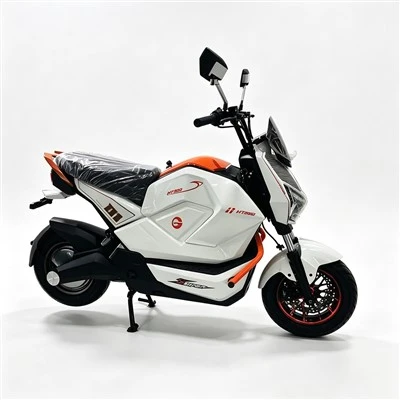
If you’re in the market for an electric motorcycle, or just want to chat more about start systems, reach out to our team. We’ve got all the models, can answer any questions, and help you find what fits your needs. No sales pitch, just real advice from people who ride these bikes every day.
E Bike References
- Electric Motorcycle Safety and Functionality Report, Global EV Industry Association, 2023
- Consumer Preferences for Two-Wheeled EVs, American Motorcycle Retailers Association, 2022
- Technical Review of Electric Motorcycle Start Systems, EV Tech Journal, 2023
- Rider Feedback Survey: Key vs Push Button Starts, Electric Motorcycles Supplier Internal Data, 2023
Hebei Xiaotianhang Bicycle Co., Ltd.
Hebei Xiaotianhang Bicycle Co., Ltd. is one of the most professional electric motorcycles manufacturers and suppliers in China, also supports customized service and OEM service. Please feel free to wholesale bulk CE approved electric motorcycles in stock here and get pricelist from our factory. Quality products and reasonable price are available.
Address: Xingye North Street, North of Economic Development Zone, Guangzong County, Xingtai City, Hebei Province
E-mail: nickie@hbxiaotianhang.com
WebSite: https://www.xiaotianhang.com/
