Hey everyone, it’s Jake from [Your Company Name] – the sand pump guy who gets way too many late-night texts from guys asking, “Dude, how much power does that sand pump actually use?” Fair question, honestly. I used to wing it when a customer hit me with that, until I realized I was giving answers that were either way too low (oops, that one pump died mid-job) or overblown (making it sound like it needed a nuclear generator was dumb, and expensive). So let’s break this down, real talk, no fancy lab jargon that makes your eyes glaze over. First off, sand pump power consumption isn’t one number – it’s like asking “how much gas does a truck use?” It depends on what you’re hauling, how far, and if you’re flooring it or cruising. Stick with me, I’ll make this as painless as a Saturday afternoon (no, not that kind). Sand Pump

First, let’s get one thing straight: sand pumps are beaters. They move way more than just water – they’re shoving slurry, which is basically sand, gravel, rocks, and whatever else you’re digging up, all mixed with water. That stuff is heavy, it’s abrasive, and it wants to clump up and get stuck. So their power needs aren’t about moving water; they’re about moving that messy, gritty mix. That’s the big mistake a lot of new operators make – they think if a regular water pump uses 5HP, a sand pump should too. No way. That water would just flow through a sand pump, but the sand? It’s like shoving concrete through a hose. Okay, let’s start with the basics that actually matter, not the textbook stuff that no one uses.
First, the two biggest factors that kill power (literally, no exaggeration) are how much sand/gravel you’re moving, and how far you’re moving it. Let’s do a quick example, no math that requires a calculator app. Let’s say you’ve got two jobs: Job 1 is draining a small backyard trench, like 50 feet of hose, and the slurry is super light – mostly water with a little fine sand, no rocks. Our entry-level sand pump for small jobs, the 3-inch electric one? That uses around 7.5 HP. Wait, for a tiny trench? Yeah, but if you tried to use a regular water pump there, it’d burn out in 10 minutes. Job 2 is a construction site, moving 100 yards of sand and small gravel 300 feet, maybe up a little slope? That’s our 6-inch diesel pump, right around 40 HP. See the difference? Bigger material, longer distance = way more power.
Wait, but what about when you’re pumping heavier stuff? Like, if you’ve got a job where the slurry is 50% sand by weight, versus 10%? That extra sand adds up quick. I had a customer last year, a guy doing a well drilling job, he was pumping slurry that was almost half sand, and he thought his 40 HP pump was enough. Nope, it was overheating and stalling every 15 minutes. We swapped him to a 50 HP, and he’s been killing it ever since. That’s the thing I wish everyone knew: if you under-size the power, you’re not just wasting time, you’re wasting money on parts. Abrasive stuff chewing on a pump that’s working too hard = broken seals, damaged impellers, and a big bill for repairs.
Now, let’s talk about the different types of power – electric vs diesel, because that’s another huge variable. A lot of people ask, “should I go electric or diesel for my sand pump?” And the answer isn’t just “what’s cheaper to run” – it’s “where are you using it?” Electric pumps are generally more efficient, right? Less power loss between the engine and the pump, so a 7.5 HP electric will do the same work as maybe an 8 or 9 HP gas/diesel. But you can’t use electric if you don’t have a power source – like a remote mining site, or a flood zone where power lines are down? Diesel is your only option, and it’s less efficient, so you need more HP for the same job.
Wait, let’s get into the dirty details, no BS, like real numbers our customers see day to day. I’ve got a logbook (old school, I know) with the last 100 pump jobs, so these are actual numbers, not textbook guesses. For small, light slurry jobs (trench digging, small pool drains, fine sand only, max 100 feet of hose): 3-inch pumps, electric = 5 to 10 HP, diesel = 7 to 12 HP. For medium jobs (construction site slurry, small rocks up to 2 inches, 100 to 500 feet of hose): 4 to 5-inch pumps, electric = 15 to 30 HP, diesel = 20 to 35 HP. For big, heavy jobs (mining, dredging, big rocks up to 6 inches, 500+ feet, maybe up hills): 6 to 8-inch pumps, electric = 40 to 100 HP, diesel = 50 to 120 HP. That’s real stuff, stuff we’ve tested, stuff our customers use without calling us at 2am panicking.
But wait, there’s a secret factor almost no one talks about: hose size and condition. A lot of guys come to me saying “my pump uses too much power, what’s wrong?” and I go check their hose, and it’s a crumpled, kinked mess, or it’s a hose that’s too small. If you’re pumping slurry through a 2-inch hose when your pump is rated for 4-inch, that’s like trying to drink a gallon of milk through a straw – way more work for the pump, way more power wasted. We had a guy last month, he was on a dredge job, his pump was using 20% more power than it should, and turns out his hose was crushed from sitting on a construction site for a week. He replaced it, and his power use dropped right back to normal. Also, if your hose has a bunch of bends? Each bend is like a speed bump for the slurry, the pump has to push harder, uses more power. That’s free, easy fix – lay your hose as straight as possible, use the right size, and you’ll save on power (and pump repairs, trust me).
Another thing: the depth of what you’re pumping. If you’re pumping from a pit that’s 10 feet deep versus 30 feet deep? That’s extra power. Think about it: lifting 100 gallons of water 30 feet takes more oomph than lifting it 10 feet, right? Sand adds weight, so that depth factor multiplies. I once had a customer doing a lake dredge, he was pumping from 25 feet deep, so even though the horizontal distance was only 200 feet, he had to bump his pump power up 10 HP to compensate for the lift. That’s not something you can guess – if you’re pumping from below ground or a deep pit, you gotta add that lift into your power calculation, not just the horizontal hose length.
Now, let’s get to the question everyone really has: how do I calculate this for my own job? No fancy engineering degree needed, I’ve got a quick trick. First, write down four things: 1) what’s the max size of material you’re moving (fine sand, gravel, rocks up to X inches), 2) how much slurry are you moving per minute (like gallons, or cubic feet – I use gallons, easier), 3) total horizontal hose length, 4) total lift (how far you’re lifting the slurry up, not horizontal). Then, send that info to me, or any sand pump supplier worth their salt, and they can give you a ballpark power number. Don’t try to calculate it yourself with some online formula – most of them are made for clear water, not slurry, so they’ll be wrong. I’ve seen guys use a random formula and buy a pump that was 20 HP too small, disaster.
Wait, what about efficiency? You might hear people talk about “hydraulic efficiency” or something, but for us regular people, that means “how much of the power actually goes to moving slurry, not wasting it on heat or friction.” Our pumps, for example, have an impeller design that cuts down on friction, so they’re about 10-15% more efficient than some cheaper pumps. That means you can use a smaller pump for the same job, saving on power costs. A lot of cheap sand pumps are just modified water pumps, so they have terrible efficiency for slurry, wasting power, breaking easy. That’s why buying a quality sand pump isn’t just about upfront cost – it’s about lower power bills and less repair work.
Let’s talk about power costs, too, because that’s the practical side. If you’re running a 40 HP diesel pump 8 hours a day, that’s about 10 gallons of diesel a day, which adds up over a week or a month. If you go to a more efficient pump, that’s 2 gallons less, saving like $100 a week. For electric, a 40 HP pump is about 30 kWh an hour, so at $0.15 a kWh, that’s $4.50 an hour, or $36 a day. Smaller, more efficient pumps cut that, which is a big deal for long-term jobs. I had a construction client a while back, he was running a pump for 6 months straight on a highway project, switching to our efficient pump saved him over $12,000 in electricity costs. That’s a new truck, or a bunch of vacations.
Now, let’s bust some myths, because I hear these every single week. Myth #1: “More HP is always better.” No. If you’re moving 10 gallons a minute of light sand 50 feet, a 15 HP pump is fine. A 50 HP pump will work, but it’s way more expensive to buy, way more to run, and it’ll be overkill. Myth #2: “Sand pump power is the same as water pump power.” I touched on this, but it’s 2-3x higher. Water is easy, slurry is not. If a water pump uses 5 HP, a sand pump for the same job is 10-15 HP, minimum. Myth #3: “Diesel is always cheaper than electric.” If you’ve got access to free power (like a generator on site you already use for other tools), electric is cheaper. But if you have to bring a separate diesel generator for an electric pump, add that generator’s fuel use, and suddenly diesel is cheaper. You gotta add all costs, not just the pump’s fuel.
Wait, what about when you’re running the pump at part load? Like, if you’re only moving half the slurry the pump is rated for, does that save power? Yeah, a little, but not as much as you think. Sand pumps don’t work like a car – they don’t get way better gas mileage when you’re not flooring it. If you buy a pump that’s sized just right for your average job, running it at 70-80% capacity is the sweet spot – efficient, not straining, and lasts longer. Running it at 100% every time? That’s when seals and impellers go bad, fast.
Now, let’s get real about common mistakes I see. Number one: not telling the supplier all the job details. They ask “what do you need to pump?” and you say “sand and gravel” and hang up. No, we need to know how much, how far, how big the rocks, lift height, power source. That’s the only way to get the right power. Number two: skimping on hose size. I know, big hoses cost more upfront, but a 4-inch hose for a 4-inch pump is way better than a 3-inch hose, it cuts power use by so much. Number three: not maintaining the pump. A dirty impeller, clogged intake, worn parts make the pump work harder, use more power. Change the oil, clean the intake, check the impeller every couple months, and your power use stays consistent.
Okay, so what does all this mean for you? If you’re looking for a sand pump, don’t just ask “how much power does it use?” Ask “what power do I need for my specific job?” And the best way to do that is to talk to someone who actually works with sand pumps every day, not a guy selling you a water pump.
If you’re tired of pumps that die mid-job, waste your money on power, or leave you stranded at 2am with a slurry mess all over your boots, hit me up. Tell me what you’re pumping, how far, the rock size, lift height, and your power source, and I’ll hook you up with the right pump, the right power specs, no overkill, no under-sizing, just something that gets the job done without costing you an arm and a leg.
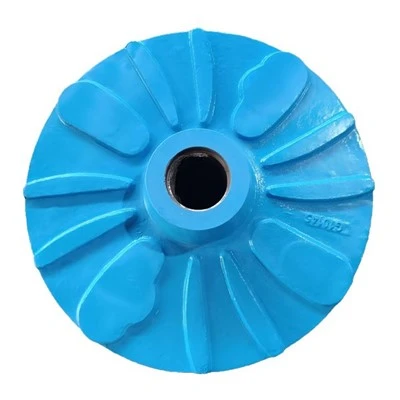
Before I go, let’s wrap this up quick, real simple: sand pump power consumption is not a fixed number, it depends on slurry type, hose size, distance, lift, and power source. Do your due diligence, don’t guess, and talk to a pro. And if you’ve got more questions, or you’re ready to stop dealing with junk pumps, get in touch.
Slurry Pump References:
- American Water Works Association. (2019). Pump Selection and Sizing for Slurry Applications. AWWA Manual of Water Supply Practices.
- Hydraulic Institute. (2021). Centrifugal Pump Performance for Abrasive Slurries. Hydraulic Standards and Technical Reports.
- National Sand & Gravel Association. (2020). Power Requirements for Sand and Gravel Handling Equipment. NSGA Industry Best Practices Guide.
Shijiazhuang Ruite Pump Co., Ltd.
As one of the most professional sand pump manufacturers and suppliers in China, we have world-leading production equipment and strong manufacturing capabilities. Please feel free to buy durable sand pump for sale here from our factory. Quality products and reasonable price are available.
Address: Majuan village, Nandong town, Gaocheng, Shijiazhuang, China
E-mail: info@ruitepump.com
WebSite: https://www.rtslurrypumps.com/
