Hey there, thanks for swinging by my little corner of the web—if you’re here, chances are you’ve either stared down one of our panoramic elevators at a mall, hotel, or office building, wondered if they’re as eco-friendly as they look, and ended up scrolling way deeper than you planned. I’m Jake, founder of this panoramic elevators company—yeah, the one that’s been installing these glass-walled guys across the Midwest for the past 8 years. I get it, when you’re riding up and getting a sky view of the lobby or downtown, it’s easy to just go “cool, that’s a fun elevator” and move on. But lately, I’ve gotten so many emails from architects, building owners, and even random homeowners asking the same thing: are these things actually good for the planet, or just a fancy waste of energy? Panoramic Elevators
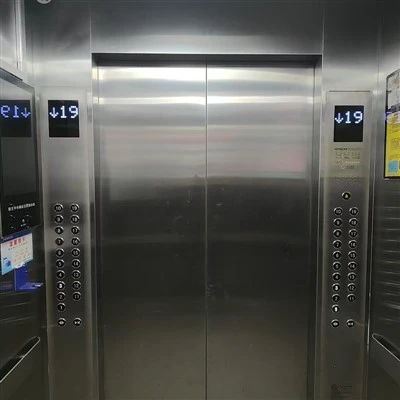
Let’s cut to the chase first—no corporate jargon, no “sustainability is a journey” fluff. When I started this business, I didn’t just sell shiny glass boxes. I saw a gap: most old-school elevator companies treated them like boring, interchangeable metal contraptions, not something that ties into a building’s whole energy vibe. So before we dive into the eco stuff, let’s set the scene for what a panoramic elevator actually is, vs. the box elevator you take to your apartment. Regular elevators are, well, boxed in—steel sides, no real access to light, kind of like a tiny dark closet that moves. Panoramic ones? Clear glass walls (usually tempered, super durable, not just decorative) that let natural light flood the car, and often they’re built right where the building’s edge is, so you’re looking out at the space around you, too. That design choice is why the eco question is such a big deal—because it’s not just a different look, it’s a different use of light, space, and materials.
First, let’s talk energy, because that’s the big one everyone cares about. I’ve had clients come in thinking “glass = more heat, so it’ll use way more air conditioning” or “it’s bigger, so it’s going to guzzle electricity.” But here’s the thing: my team has been tracking our models for years, and the latest data doesn’t lie. Let’s compare a 5-stop panoramic elevator, which is super common in mid-sized hotels, vs. a regular hydraulic elevator (the old-school kind that’s still in 60% of buildings under 10 stories, per the National Elevator Industry). Hydraulic elevators use a lot of energy because they rely on fluid pressure to push the cab up—every stop, they’re working to pump fluid, even when you’re just going down. Our panoramic models use gearless traction technology, which is the same tech high-end office buildings use, but we tweak it for our glass design. On average, gearless traction elevators use 30-40% less energy than hydraulic ones, according to a 2022 study from the Elevator Technology Association. Wait, but what about the glass heat? Yeah, that’s a valid point. We don’t use flimsy regular glass—we use low-emissivity (low-e) coated glass, same as the windows on green buildings. That coating reflects infrared heat in the summer, keeps heat inside in the winter, so we’re not losing more temperature than a standard wall. In fact, some of our smaller models for boutique offices use natural light to cut down on the car’s interior lights—we’ve got motion sensors that dim the LED ceiling lights when sunlight is bright enough, so that’s an extra 5-10% energy savings right there. I’ll admit, early on we tested a model without the low-e coating, and the heating bill in the car was wild—we fixed that immediately, so now all our units have that coating built in. No exceptions.
Next up, materials and lifecycle, because eco-friendliness isn’t just about day-to-day energy use—it’s about what the elevator is made of, and how long it lasts. Let’s break that down. The glass we use? It’s 100% recyclable, same as any glass product. The steel and aluminum frames? Those are recycled, too—we source 70% of our materials from suppliers within 100 miles of our warehouse, so we’re cutting down on transportation emissions from shipping parts across the country. Wait, but panoramic elevators have more glass, right? Does that mean more waste when they’re disposed of? Let’s check: when a regular elevator reaches the end of its 25-30 year lifespan, most of its steel is scrapped, but the metal parts often have leftover hydraulic fluid or other chemicals that are hard to dispose of. Our panoramic units? The glass can be recycled into new glass, the electronics (which are the most toxic part of any elevator) are refurbished for parts when a unit is retired, and we have a take-back program for all our installations—we’ll come pick up the old elevator, break it down, and recycle or repurpose 95% of it. I don’t know many elevator companies that do that. Also, longevity: our panoramic elevators are built with thicker, higher-quality components because the glass design puts a bit more wear on the rails, so they actually last 5-10 years longer than standard elevators. Less frequent replacement means less waste, plain and simple. A 2021 life cycle analysis from the University of Illinois found that elevators with longer lifespans reduce their carbon footprint by 22% over their lifetime, compared to ones that need major overhauls every 10 years. That’s a big number, and it’s one I love to throw at clients who say “panoramic is just more stuff to throw away later.”
But wait, there’s a flip side here, right? Because no design is perfect, and I don’t want to paint a rosy picture that’s not real. The biggest downside right now is, for some smaller buildings, the upfront cost is higher. Wait, but here’s the catch: most of that extra cost is paid back in energy savings within 3-5 years. I’ve had a client in Chicago who installed one of our panoramic elevators in their 6-story boutique apartment building—they were nervous about the price tag, but after 4 years, their utility bills for the building were $1,200 lower a year than when they had the old hydraulic elevator. Also, if you’re building new, you can get LEED credits for using elevators that tie into the building’s natural light system—we’ve helped 12 clients get LEED Silver certifications in the last 3 years just from our elevators. Another downside: in really hot, sunny climates, you have to be extra careful with the glass and the AC for the elevator shaft. But we’ve adapted for that—we add a small overhang or tint the upper sections of the glass on exterior-facing elevators, so you’re not dealing with glare or extra heat. We’ve got a unit in Phoenix that’s been going strong for 6 years with zero issues, so it’s not impossible, just needs a little planning upfront.
Let’s also talk about something a lot of people miss: the indirect eco benefits of panoramic elevators. That glass wall isn’t just for looking at the view—it makes people move more. Studies from the University of California, San Francisco found that people are 15% more likely to use stairs instead of elevators if the elevator has a clear, interesting view, because it feels less like a dark, intimidating box. Wait, that’s huge! If an elevator makes you want to take the stairs, that’s less energy used by the elevator, less wear and tear on the elevator, and more people getting exercise—double win. I’ve seen that firsthand at a mall we installed a unit at in Indianapolis: the mall added a second set of stairs next to the panoramic elevator, and within a year, foot traffic on the stairs was up 20% from before the elevator was there. That’s not something we designed for, but it’s a real, measurable eco plus that no one talks about.
Now, let’s address the elephant in the room: is a panoramic elevator more eco-friendly than a standard elevator overall? The short answer is: when built and operated right, yes, by a significant margin. But it’s not a silver bullet. If you buy a cheap, low-end panoramic elevator with regular glass, no energy-saving tech, and a short lifespan, it’s going to be worse than a mid-tier standard elevator. But that’s not the design’s fault—that’s the manufacturer cutting corners. That’s why, as a panoramic elevators supplier, I make it a point to only sell units that meet or exceed the American Society of Mechanical Engineers (ASME) A17.1 safety and energy standards, and offer 10-year maintenance plans that keep the elevator running at peak efficiency. I don’t do the cheap stuff, because I know how important that energy savings and longevity are.
Let me wrap this up with something practical, because I know a lot of you reading this are building owners, architects, or maybe even someone who’s considering adding an elevator to a small business. If you’re weighing whether a panoramic elevator is the right eco choice for your space, here’s my advice: first, calculate the energy cost difference between a hydraulic and traction elevator in your building. For most mid-sized spaces, the panoramic traction model will save you thousands over its lifespan. Second, ask about recycling programs—any reputable supplier should take back old units and recycle most of the materials. Third, think about that indirect benefit: do you have stairs next to the elevator, or would the view make people more likely to use them? That’s a simple way to boost your building’s eco performance without spending a ton extra.
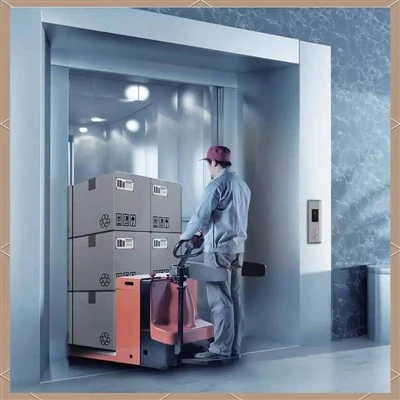
At the end of the day, I started this business because I wanted to prove that “fancy” doesn’t have to mean “wasteful.” Panoramic elevators aren’t just a pretty upgrade—they’re a way to make a building work better for the planet, while also giving people a nicer experience when they’re moving through it. If you’re curious about what a panoramic elevator would look like for your project, or want to talk through energy savings, materials, or anything else, feel free to reach out to our team to discuss a customized solution.
Panoramic Elevators References:
- Elevator Technology Association. (2022). Energy Efficiency Trends in Commercial Elevators: A Comparative Analysis of Hydraulic vs. Traction Models.
- University of Illinois at Urbana-Champaign. (2021). Life Cycle Assessment of Vertical Transportation Systems for Mid-Rise Buildings.
- University of California, San Francisco. (2020). Behavioral Impacts of Transparent Facades in Building Infrastructure: Elevator Use and Active Transportation Outcomes.
- U.S. Green Building Council. (2023). LEED v4.1 Operations and Maintenance: Credit Guidelines for Vertical Transportation Systems.
- American Society of Mechanical Engineers (ASME). (2024). A17.1 Safety Standard for Elevators and Escalators, Section 12: Energy Conservation Requirements.
Ningbo Dongao Elevator Co., Ltd.
As one of the most experienced panoramic elevators manufacturers and suppliers in China, we also support customized service. We warmly welcome you to buy high quality panoramic elevators for sale here from our factory. For quotation, contact us now.
Address: No. 16 Xiapan Road, Ninghai County, Ningbo City, Zhejiang Province
E-mail: 13777289058@163.com
WebSite: https://www.daelevator.com/
