If you’ve walked into a heavy fabrication shop lately—whether building structural steel for a skyscraper, fabricating large pressure vessels for the energy sector, or assembling ship hull sections—you’ve probably seen a gantry welding robot at work. Unlike smaller industrial robotic arms that sit on floor pedestals, these gantry systems move along overhead rails, spanning hundreds of feet to weld long seams faster and more consistently than manual labor. As a gantry welding robots supplier, I’ve spent years not just selling these systems, but also walking shop floor teams through the exact safety steps that keep operators, technicians, and equipment out of harm’s way. I’ve seen what happens when precautions are skipped: a burnt arm from a stray welding arc, a foot crushed by a moving gantry carriage, or a full-day shutdown from a misprogrammed collision that could have been avoided. That’s why I’ve put together this breakdown of the non-negotiable safety precautions anyone operating these machines needs to follow, drawn from on-the-job experience and thousands of client installations. Gantry Welding Robots
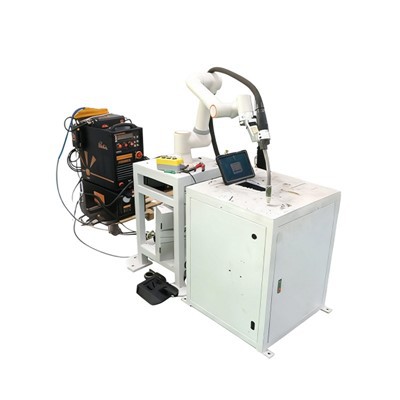
First, before anyone even powers on the gantry, you have to lock it out and tag it out—let’s call it LOTO for short. A lot of newer operators skip this step because the gantry seems to be stationary, but that’s the exact danger window. When you need to adjust a weld torch, replace a wire feed spool, or clear a slag build-up on the worktable, even if you think the main power is off, there’s often a backup capacitor bank that holds enough charge to cause a serious shock for up to 10 minutes after disconnecting the main supply. I had a client last year who tried to reach up to adjust a torch mid-shift; he thought the gantry was off, but the capacitor hadn’t discharged yet, leaving him with third-degree burns on his palm that took months to heal. LOTO isn’t just pulling a switch and sticking a note on it either. For gantry systems, which have multiple power sources (main power, torch power, air compressors for the cooling system), you have to lock every disconnect point—including the auxiliary power for the weld controller. And the tag has to have your full name, not just “Shop Foreman,” so anyone who approaches knows exactly who has locked out the equipment. This step is non-negotiable, no exceptions.
Next, don’t skip pre-operation equipment inspections. Gantry welding robots are large, and their moving parts—carriages, rails, torch arms, cable carriers—wear out faster than smaller robotic systems because they operate 12-hour shifts in dusty, metal-shavings-heavy environments. I recommend a 10-minute pre-shift check every single day, not just after maintenance. Start with the rails: even a 2mm of accumulated debris or a tiny bend in the rail can throw the entire weld path off, but more importantly, it can cause the gantry to derail. I’ve seen a 5000-pound gantry carriage jump a rail because a shop left a pile of steel shavings along the track; it crashed into a worktable, destroying $80,000 in welding controls and putting two technicians out of work for two weeks. Also, check the cable carriers—those long chains that hold the power, data, and gas lines for the torch. If a cable is frayed or a connector is loose, it can cause a short that sparks a fire, or leak shielding gas which is not only a waste of material but also displaces oxygen in the work area, leading to suffocation. I always tell clients to replace frayed cable carriers immediately, even if the fray looks minor; we once had a client who waited three shifts to replace a frayed power cable, and it shorted out while the gantry was moving, causing a small fire that spread to nearby flammable welding rods. Also, test the emergency stop (E-stop) buttons—every single one, not just the big red one on the main control panel. Gantry systems have E-stops on the carriage, on the torch holder, and even a hard-wired one at the base of each rail. I had a client where the E-stop on the carriage wasn’t working; an operator who was adjusting the torch couldn’t stop the gantry when it moved unexpectedly, and the torch hit his shoulder. Testing E-stops takes 30 seconds, and it can prevent a serious injury.
Then, it’s critical to set up a dedicated safety zone around the gantry, and enforce a no-entry rule when the machine is in operation. Gantry welding robots move along two axes, and even though their path is programmed, they can deviate if there’s an unexpected bump in the workpiece or a programming error. The safety zone should be at least 3 feet wider than the gantry’s widest point and 5 feet longer than its full travel path, and it should be marked with bright yellow tape or physical barriers, not just vague floor paint. A lot of shops let materials, tools, or even other workers wander into this zone because the gantry seems slow, but even a gantry moving at 100 inches per minute can crush someone if they don’t see it coming. We also program all our gantry robots with a speed reduction setting when the carriage is within 2 feet of the safety zone boundaries, but that’s a backup, not a replacement for human vigilance. Inside the safety zone, no one should be standing unless they’re performing a controlled task, and even then, they should be wearing proper personal protective equipment (PPE). Speaking of PPE—don’t skimp here. Welding arc flash is real, even for automated systems. I’ve seen operators try to work near a gantry without a face shield because they thought the robot’s shielding would protect them, but stray arcs can bounce off steel workpieces, hitting unprotected faces. Also, steel shavings from the workpiece can fly off during welding, so closed-toe steel-toe boots, flame-resistant aprons, and hearing protection are mandatory. The gantry’s torch generates noise levels over 85 decibels, which can cause permanent hearing damage with prolonged exposure, even if you can’t feel the noise as uncomfortable. I always remind clients that PPE is the last line of defense, not the first. It’s meant to protect you when something goes wrong, not to let you skip the other precautions.
Another big one: never override safety interlocks without permission. All modern gantry welding robots come with built-in safety interlocks—sensors that stop the gantry if a safety door is open, if a cable carrier is out of position, or if the worktable isn’t properly clamped. These interlocks are there for a reason, and a lot of technicians try to override them to save time when they’re in a rush. I had a senior technician at a former client override the door interlock so he could reach the torch while the gantry was supposed to be off. The gantry had a programming error that made it move unexpectedly, and he was hit by the carriage. The interlock would have stopped the gantry as soon as the door opened, but because he bypassed it, the system didn’t shut down. If you need to access the torch or adjust a workpiece, always use LOTO first, not interlock overrides. If an interlock keeps triggering for no reason, don’t ignore it—call your gantry supplier to fix it. We get calls every week from shops whose interlocks are malfunctioning, and instead of fixing them, they tape the interlock switch down. That’s a huge safety risk, and it’s one we always address in our on-site service visits.
Also, welding fume safety is a precaution that many shops overlook with automated gantry systems. When the robot is welding, it releases metal fumes—things like iron, manganese, and chromium hexavalent—that are toxic if inhaled. Even though the fume extraction systems are built into most gantry robots, they can be clogged with dust and slag build-up, so they need to be inspected daily. A few years ago, a shop in Texas had a gantry with a clogged fume extraction system; over a month, three operators developed respiratory issues from inhaling the fumes, and the shop had to pay for their medical care and shut down that area until the extraction system was replaced. I always tell clients to check the fume extraction nozzle at the end of the torch every pre-shift, and to clean the filter every week, not just when the system alerts them. Also, make sure the shop’s ventilation system is working for the larger area; if the gantry is in a closed room, even a good extraction system can’t circulate enough air to prevent fume build-up. We include a fume safety checklist with every gantry system we sell, and it’s one of the most popular documents our clients ask for, because they never realized how many people were neglecting that step.
Training is the final, and most important, precaution. A gantry welding robot is only as safe as the operator who’s running it, and a lot of shops hire workers with little to no experience with these systems, then throw them on the floor to figure it out. I’ve seen new operators program a wrong weld path that sent the gantry into a steel column, because no one took the time to teach them how to set up a collision boundary. When we install a gantry system, we provide 40 hours of hands-on training for all operators and supervisors, including hands-on practice with LOTO, E-stop testing, and emergency shutdown procedures. We also do monthly refreshers for the first six months after installation, because even experienced operators can forget precautions when they’re busy. If your team isn’t trained on your specific gantry model, don’t let them operate it. Even the most basic precautions—like how to read the emergency stop logs or how to adjust the torch height without triggering an arc—require training, and skipping it leads to accidents.
At the end of the day, safety isn’t an afterthought for gantry welding robots—it’s part of every part of the process, from installation to daily operation. As a gantry welding robots supplier, I don’t just sell equipment; I make sure my clients have the knowledge and support to keep their teams safe. If you’re considering adding a gantry welding robot to your shop, or if you’re looking to update your safety protocols for the ones you already have, we’re here to help you work through every step. Contact us to learn more about our safety training programs, equipment inspections, and customized solutions tailored to your fabrication needs.
Loading and Unloading Robot References
- Occupational Safety and Health Administration (OSHA). 2020. Safety and Health Guidelines for Robotic Welding Operations. U.S. Department of Labor, Washington, D.C.
- American Welding Society (AWS). 2021. Safety Standards for Automated Welding Systems. AWS D17.1: Specification for Fusion Welding for Aerospace Applications.
- International Organization for Standardization (ISO). 2019. Robots and Robotic Devices—Safety Requirements for Industrial Robots. ISO 10218-1:2019.
Dongguan Chuanglida Intelligent Equipments Co., Ltd.
Address: Room 201, Building 2, No. 61, Shachang 1st Road, Dalang Town, Dongguan City, Guangdong Province
E-mail: haoguangli001@outlook.com
WebSite: https://www.boruntestech.com/
