If you’ve ever walked through a bustling Chinese neighborhood market—say, in the arcades of Guangzhou, the old alleyways of Shanghai, or a weekend street fair in a major North American city—you’ve probably spotted a small stall stacked with round, crumbly pastries, their golden-brown tops dotted with delicate scored lines that hint at a sticky, sweet core waiting inside. As a third-generation supplier of traditional Chinese pastries, I’ve spent decades perfecting the recipes that have been passed down through my family, and nothing draws crowds quite like the ones filled with caramel. These treats aren’t just “sweet buns”—they’re a window into China’s diverse regional culinary history, each caramel-filled pastry shaped by local ingredients, seasonal traditions, and generations of hands that measured sugar, butter, and flour by eye rather than scale. Let’s dive into the ones we craft, and why they’ve remained beloved across borders and centuries. Traditional Chinese Pastries

First up, the most iconic of the caramel-filled bunch in Southern China: sugar pastry with golden caramel—known in Cantonese as “tong su bing,” or candy sugar cake. This isn’t the flaky, buttery croissant-style pastry many might associate with Western caramel pastries; it’s a layered, crumbly delight made with two separate doughs: a water-oil dough and a lard-based “shortening dough.” The layering process is key—fold, roll, fold again, repeat—until the dough becomes delicate, thin flakes that melt on the tongue. The filling, though, is where the magic happens. Traditionally, we use rock sugar, slowly melted over low heat with a touch of maltose syrup, stirring constantly for 45 minutes or more to avoid burning. The result is a rich, amber-colored caramel that’s not too sticky, not too sweet—its depth comes from the slow cooking, which gives it a subtle, toasty note, almost like burnt sugar without the bitterness. What makes this pastry special is how the flaky exterior balances the soft, gooey filling. It’s a common treat during Lunar New Year, but we sell it year-round because its simplicity appeals to everyone, from local elders who remember buying them as kids to new residents who are surprised by how a simple sugar filling can be so complex.
Another regional favorite, hailing from the Jiangsu-Zhejiang area in eastern China, is caramel-filled sesame mooncake—though it’s not the dense, lotus seed paste mooncake you might see during Mid-Autumn Festival. Our version is a smaller, more delicate pastry, shaped like a mini moon, with a thin, crisp crust dusted in white sesame seeds. The caramel filling here has a twist: we add a tiny bit of roasted white sesame seed powder to the sugar and maltose mix, which gives the caramel a nutty undertone that pairs perfectly with the sesame-studded crust. This recipe comes from my great-aunt, who ran a small bakery in Hangzhou in the 1950s. She’d tell me that the roasted sesame wasn’t just for flavor—it was a trick to keep the caramel from getting too runny in hot weather, a crucial detail when delivering pastries to street stalls on old bicycles. Today, we still use her method: toasting the sesame seeds in a cast-iron pan until they release their aroma, then grinding them by hand (not a food processor) to keep their texture fine. It’s these small, old-world steps that make our pastries taste like the ones you’d find in a family bakery, not a mass-produced factory.
Wait, there’s a northern Chinese pastry that’s often overlooked but deserves a spot here: sugar crispy cake with honey caramel, or “tang su bao” in Mandarin. Unlike the flaky Southern pastries, this one has a soft, yeasted dough, similar to a sweet dinner roll, with a slightly chewy texture. The caramel filling here is made with white sugar, honey, and a pinch of wheat flour—another great-aunt trick to thicken the caramel so it doesn’t ooz out when the pastry bakes. We score the tops of these buns with a cross before baking, which opens up a little pocket to let the caramel bubble gently during cooking. The result is a bun that’s soft on the inside, with a crispy, caramelized top and a gooey center. This is a winter staple in northern China, where the warm, sweet pastry is perfect for chasing away cold winds. We’ve had customers tell us that they bring these to office potlucks, and everyone assumes they’re homemade—until they find out we’ve been crafting them the same way for 70 years.
What I’ve learned over the years, as a supplier who works with cafes, grocery stores, and restaurant chains across the country, is that caramel-filled Chinese pastries aren’t just for people familiar with Chinese food. When we first started selling to a local health food store a few years ago, the manager told us she was nervous about how they’d perform—“Caramel and sesame?” she said. “It sounds too ‘foreign.’” But after a customer bought a pack and came back the next week asking for 100 more to sell to her office, we realized these treats have universal appeal. The key is that our caramel isn’t cloying. We don’t use artificial sweeteners or corn syrup; every batch uses natural sugars, and we cook the caramel low and slow to develop that depth of flavor that doesn’t make your teeth hurt. We also adjust the size for different markets: for cafes, we make mini ones that fit on a pastry plate; for grocery stores, we make standard-sized ones that work as a snack.
Another thing that sets our caramel-filled pastries apart is how we handle the filling during production. In many commercial bakeries, caramel is mixed into the dough before baking, but we inject it into the center of the pastry after the first bake, using a small, stainless steel syringe—another trick from my grandfather, who wanted to make sure every bite had the perfect amount of caramel, not just a spot in the middle. We also bake all our pastries in small batches, using convection ovens set to a precise temperature, so the crust stays flaky and the caramel doesn’t burn. I’ve had young pastry chefs visit our production space and tell me they’re surprised we don’t use automation for everything, but I know that the care we put into each batch is why our customers come back. Last month, a coffee shop owner told us she switched from a big national brand to our pastries, and her pastry sales went up 40 percent because “people can taste the difference—this isn’t just sugar and dough, it’s history.”
Let’s talk about the science, because it’s not just tradition that makes these pastries work. The layering in the Southern tong su bing, for example, is a delicate balance of fat and water. The water-oil dough holds its shape, while the lard-based dough melts during baking, creating air pockets that make the crust flaky. When we melt the sugar for caramel, the Maillard reaction—what happens when sugars and amino acids react at high heat—creates those complex, toasty flavors that make the caramel more than just sweet. We also add a tiny bit of salt to every caramel filling, which amplifies the sweetness without making it overwhelming. It’s a balance my grandfather figured out in the 1940s, when he started experimenting with different sugar ratios to make his pastries stand out from other stalls in Guangzhou.
I should also mention a lesser-known variety: caramel-filled coconut pastry, a recipe we developed in the 1980s when we started adapting our traditional treats for a more diverse audience. This one has a buttery, shortbread-like crust, with a filling made from caramel, shredded coconut, and a touch of condensed milk. It’s crisp on the outside, soft and coconutty inside, and it’s become a hit with customers who don’t love sesame or the extra-flaky texture of the Southern pastries. We still make it in small batches, because we want to keep the coconut from getting too soggy, and it’s become a go-to for people looking for a slightly different take on caramel-filled Chinese pastries.
As a supplier, my goal isn’t just to sell pastries—it’s to share a piece of my family’s history with every customer. I’ve had elders come to our pop-up events and tell me that our tong su bing tastes exactly like the ones their parents bought them in Shanghai in the 1960s. I’ve had kids try our sesame caramel mooncakes and ask for them every time they visit the store. That’s why we never cut corners: we use lard (or plant-based lard alternatives for vegan options, which we now offer), natural sugars, and follow the same steps my family has used for generations. We also work closely with our clients to adjust the size, packaging, and even the sweetness level to fit their needs—whether it’s a high-end bakery looking for a signature pastry or a grocery store needing a consistent, crowd-pleasing snack.
If you’re a cafe owner, grocery store buyer, or restaurant manager looking to add something unique to your pastry case, our caramel-filled traditional Chinese pastries are the perfect choice. They’re versatile, appeal to a wide range of tastes, and have a story behind them that customers love to hear. We ship fresh pastries within 48 hours of baking, so you know you’re getting a product that’s just as fresh as the one you’d find in a family bakery. To learn more about our products, custom orders, or bulk pricing, reach out to our team today. We’re always happy to share samples, answer questions about our recipes, and help you find the perfect fit for your business.
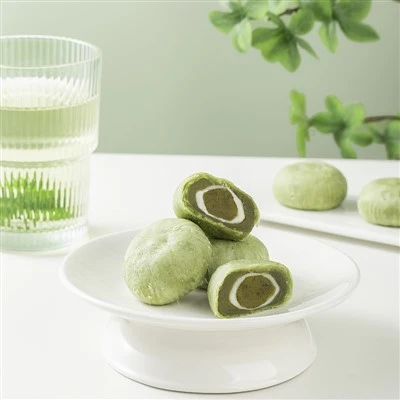
At the end of the day, traditional Chinese pastries with caramel filling are more than just food—they’re a way to connect with different cultures, share stories, and bring a little sweetness to everyday life. For my family, that’s what it’s all about: carrying on the traditions we learned from our ancestors, while adapting to new tastes and needs, so that these beloved pastries can be enjoyed by people everywhere.
Frozen Pastries References
- Davidson, A. (2014). The Oxford Companion to Food (3rd ed.). Oxford University Press.
- Huang, H. T. (2000). Fermentations and Food Science. Cambridge University Press.
- Lee, J. (2021). Regional Chinese Pastries: A History of Sweet Treats Across China. China Food Press.
- Wang, Y. (2019). Traditional Chinese Confectionery: Sugar, Syrup, and Cultural Heritage. Journal of Culinary History, 12(2), 45-62.
Fujian Luchen Food Co., Ltd.
As one of the most professional traditional chinese pastries manufacturers and suppliers in China since 1986, our products have good reputation in the market. Please feel free to wholesale bulk delicious traditional chinese pastries from our factory. Good service and quality products are available.
Address: No. 19, Shangxipulou, Nansheng Town, Pinghe County, Zhangzhou City, Fujian Province
E-mail: service@xmnahan.com
WebSite: https://www.luchenbakery.com/
