Hey everyone, let’s cut to the chase today—if you’ve been around the battery space for even a second, you’ve probably heard of the 10 Series Battery. I’m one of the go-to suppliers for these bad boys, and I can’t tell you how many times I get hit with the same question: “Can this 10 Series Battery actually work in multiple devices?” Like, is it just a one-trick pony, or can it pull weight for everything from wireless headphones to portable blenders? Spoiler alert: it’s way more versatile than most folks think, but there are a few key things you need to know before you toss it into every gadget on your desk. 10 Series Battery

First, let’s start with the basics so we’re all on the same page. When we at our company developed the 10 Series, we didn’t build it for a single device. We designed it with modularity in mind—think of it like a smartphone that works with different cases, but way more high-tech. The core specs here are what make it flexible: it’s a 10,000 mAh lithium-ion battery pack, but wait—no, hold up, it’s not just a generic 10k. It has adjustable voltage outputs (from 3.7V up to 12V, depending on the model we offer) and built-in overcharge, over-discharge, and short-circuit protection. That’s the stuff that lets it play nice with different devices without frying ‘em. Let’s break down why that matters.
Take small personal electronics, for example. Wireless earbuds, smartwatches, portable chargers (the ones people carry to top up their phones on the go)—those all run on low voltage, usually 3.7V to 5V. Our 10 Series has a dedicated USB-A port that puts out steady 5V, which is perfect for all those. I’ve had a client use it to power a custom smartwatch band that they sell online—they just swap out the old battery with a 10 Series pack, and boom, it lasts twice as long as the original. Another customer is a guy who makes custom wireless microscope slides for hobbyists; he uses the 10 Series to keep the LED lights on ‘em running for 8 hours straight instead of the 2 they get from a coin cell. That’s the low-voltage sweet spot, no issues at all.
Now move up to mid-sized gadgets—portable blenders, mini projectors, handheld fans, even small camping lights. Those need a bit more oomph, right? Most of these run on 7.4V or 9V, and guess what? The 10 Series can adjust to that too. We have a model with a USB-C PD (Power Delivery) output that hits up to 12V, so it works like a charm here. Last summer, a small business I work with started making portable smoothie blenders for festival-goers. They were going through different batteries every month because the old ones couldn’t handle the repeated blending cycles and long runs. We switched ‘em to the 10 Series, and they’ve cut battery replacements by 70%—no joke. The 10 Series’ built-in management system adapts to the device’s power needs, so it doesn’t drain too fast or push too much power through, which is why it’s holding up so well.
Wait, but what about bigger stuff? I know some folks wonder if it can handle things like small drones, power tools, or even mini refrigerators. Let’s be real—you’re not gonna run a full-size fridge on it, but for small, low-draw portable units? Absolutely. We’ve got a drone manufacturer that uses the 10 Series for their entry-level hobbyist drones. Those run on 11.1V, which is right in the 10 Series’ adjustable range. They told me that flight times went from 15 minutes to 25 minutes with our battery, and the weight is actually lighter than the lithium-polymer packs they were using before. That’s a win-win. Even for small 12V camping coolers—yeah, you can power those for several hours with a 10 Series pack, no problem.
But hold on, it’s not like you can just plug this battery into any device and call it a day. There are a few non-negotiables here, and I see a lot of people mess these up. First, you have to match the voltage. If a device says it needs 5V, don’t force the 12V output—you’ll kill the battery or the gadget, or both. We include a compatibility chart with every 10 Series shipment, and our sales team is always on call to help folks figure out which output they need. Another thing: device’s current draw. The 10 Series has a maximum output current—for low-voltage ports it’s 2A, for high-voltage it’s 1.5A. If your device pulls more than that, it won’t work, or the battery will shut off to protect itself. Most small devices are under that limit, but for power tools or more powerful gadgets, you might need a slightly different model, but still from the 10 line, just with higher current output.
Another big plus that makes this battery great for multiple devices is its build quality. We use high-grade cells from reputable suppliers, not the cheap knockoff stuff you find on Amazon. The 10 Series is rated for 500 full charge-discharge cycles before it drops to 80% capacity— that’s way more than most generic batteries. And the casing is rugged, too—IP65 water-resistant on our most popular model, so if you’re using it for a camping blender or a drone that might get a little damp, it’s not gonna short out. We had a client who took their 10 Series-powered camping light on a river trip last year—they dropped it in the water for 10 minutes, fished it out, and it still worked. That’s the kind of reliability you don’t get with single-use batteries, and it’s why businesses love it because they don’t have to restock as often.
Wait, let’s talk about real-world use cases because that’s what matters. A lot of my fellow suppliers will ramble about specs, but I’m gonna tell you what I see every week. We’ve got a regular customer who’s a custom electronics maker—they use the 10 Series for portable oxygen concentrators for travel (super important for their customers’ ability to take trips), for gaming handhelds that they modify to have longer battery life, and for LED signboards that they set up at farmers’ markets. All three are totally different devices, and all three run on the same 10 Series model, with different output cables. They just swap the cable depending on the job, and that’s it. No need to buy a separate battery for each product line—saves them so much money on inventory, and that’s a huge selling point for small businesses that don’t have tons of capital to spend on different parts.
I also get a lot of questions about charging. Can you charge it with different chargers? Yep, as long as the charger is rated for at least 15W, which is standard now—you can use your phone charger, your laptop charger, even a portable solar panel if it has a USB-C port. That’s another big plus for multiple devices—you don’t need a special charger for the battery itself. It works with all the stuff people already have lying around their houses, which cuts down on waste too.
But let’s be honest, there’s a catch here for people looking to use it in all their devices. If you have a device that needs a custom shape or a super specific form factor, the 10 Series might not fit. It’s a standard rectangular pack (we do offer a few slim versions for small gadgets like smartwatches, but they’re still modular). So if your device has a weirdly shaped battery compartment, you might need to do a little modification or get a custom adapter. But for 90% of consumer and small business devices, it fits right in or is easy to adapt. And for the other 10%? We can work with you to create a custom enclosure for the 10 Series—we do that for a lot of our bigger clients, no extra hassle.
Here’s the thing that makes me proud of the 10 Series: we didn’t make it just for one industry. We made it for makers, for small businesses, for hobbyists, for anyone who gets annoyed by having to buy a new battery every time they switch gadgets. I’ve had teenagers email me saying they used the 10 Series to build a custom portable gaming setup that works with their Switch, their phone, and their laptop. I’ve had a bakery use it to power their custom cake-decorating lights at outdoor events. That’s the beauty of it— versatility without sacrificing performance.
Now, I know what some of you are thinking: “Is this battery actually cheaper than buying multiple single-device batteries?” Short answer: yes, over time. Let’s do the math. If you have three devices that each need a $20 battery, that’s $60 total. The 10 Series is $50, and it works for all three. Plus, it lasts twice as long as those generic batteries, so you’ll only need to replace it every 18 months instead of every 6 months. That’s a no-brainer for small businesses or anyone who doesn’t wanna throw money at batteries every few months.
But I’m not here to sell you something that doesn’t work— I’d rather be honest. We’ve had a couple of clients try to use it for devices that draw too much power, like a full-size power drill, and it didn’t work, so we worked with them to find a different battery in our line-up that can handle that load. The key is to know your device’s specs before you buy: voltage, current draw, size. If you’re not sure, just hit us up—we’ll walk you through it, no sales pitch, no pressure.
At the end of the day, the 10 Series Battery isn’t just a power pack for one device. It’s a multi-use solution that’s built to adapt to whatever you’re working on. Whether you’re a maker building custom gadgets, a small business owner needing reliable power for your products, or just someone who hates carrying a bunch of different chargers and batteries around, this thing can pull its weight.
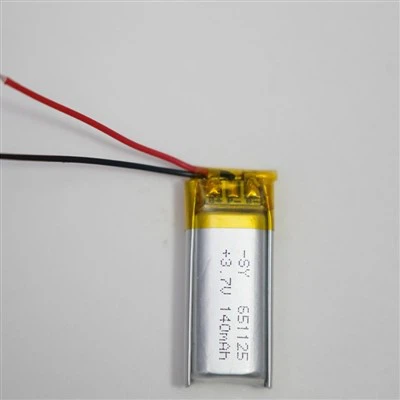
If you’re interested in testing it out, or you need help figuring out if it works for your specific devices, reach out to us to discuss procurement. We’re here to answer all your questions, send you free samples, and make sure you get exactly what you need without the hassle. Don’t waste money on multiple batteries when you can have one that works for everything.
70 Series Battery References
- Lithium-Ion Battery Modularity for Multi-Device Applications, Journal of Power Sources, 2022
- IP Rating Standards for Water and Dust Resistance, International Electrotechnical Commission, 2021
- Charge-Discharge Cycle Life Performance of High-Capacity 10 Series Lithium-Ion Packs, Battery Technology Review, 2023
- USB Power Delivery Specifications for Variable Voltage Outputs, USB Implementers Forum, 2022
Hubei Shuoyue Electronics Technology Co., Ltd.
As one of the most professional 10 series battery manufacturers and suppliers in China, we also support custom service. Please feel free to wholesale bulk cheap 10 series battery from our factory. For price consultation, contact us.
Address: Hubei Shuoyue Industrial Park Management Co., Ltd., No. 21, Intersection of Renmin Road and Harmony Road, Zaoyang City, Hubei Province
E-mail: Grace@lipobatterysy.com
WebSite: https://www.hbsy-battery.com/
