In the ever – evolving landscape of modern education and reading experiences, interactive books have emerged as a revolutionary force. As a supplier of interactive books, I’ve witnessed firsthand how these innovative educational resources are transforming the way people of all ages read and learn. One of the most remarkable aspects of interactive books is their ability to adapt to different reading levels. This adaptability not only enhances the reading experience but also ensures that every reader, regardless of their skill level, can engage with the material effectively. Interactive Books
Understanding the Spectrum of Reading Levels
Before delving into how interactive books adapt to different reading levels, it’s crucial to understand the diverse range of reading capabilities. Reading levels can be broadly classified based on factors such as vocabulary knowledge, comprehension skills, and fluency. For young children, the early stages of reading involve learning basic phonics and recognizing simple words. As they progress, they start to understand more complex sentence structures, grasp context, and infer meanings from text.
Among adult readers, there is also a significant variance in reading levels. Some adults may be proficient readers who can effortlessly handle complex academic or technical texts, while others may struggle with basic comprehension due to various reasons, such as limited education or learning disabilities.
Adapting Through Content Tailoring
One of the primary ways interactive books adapt to different reading levels is through content tailoring. Our interactive books are designed with multiple layers of content that can be accessed based on the reader’s proficiency.
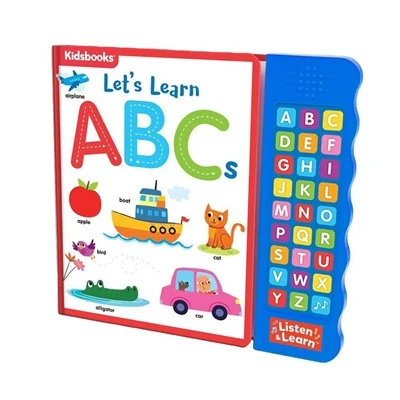
For beginner readers, we offer simplified text. This includes shorter sentences, high – frequency words, and clear, straightforward language. Pictures and illustrations are integrated closely with the text, acting as visual aids to support understanding. For example, in a children’s interactive picture book about animals, simple words like "cat", "dog", and "bird" are accompanied by vivid images of the respective animals. Audio narration is also provided, allowing young readers to listen to the correct pronunciation as they follow along with the text.
Intermediate readers can access more detailed content. The sentences become longer, and the vocabulary expands to include more uncommon words. Additional information and context are provided to enhance comprehension. Take a historical interactive book as an example. Intermediate readers might be able to access side – panels that provide background information on historical events, characters, or terms that are mentioned in the main text.
For advanced readers, our interactive books offer in – depth analysis, complex narratives, and academic – level content. Advanced readers can explore footnotes, references, and supplementary materials that are not available to lower – level readers. In a science – themed interactive book, advanced readers could access research papers, case studies, and expert opinions related to the topic, allowing them to engage with the material at a much deeper level.
Adaptive Learning Features
Interactive books are equipped with adaptive learning features that can automatically adjust the difficulty level based on the reader’s performance. For instance, some of our books use built – in quizzes and assessments. As the reader progresses through the book, they are periodically presented with questions to test their understanding. If the reader answers the questions correctly, the system gradually increases the complexity of the text and the subsequent questions. On the other hand, if the reader struggles with a particular set of questions, the system identifies areas of weakness and provides simplified explanations and practice materials.
These adaptive learning systems also track the reader’s reading speed, time spent on each page, and interactions with the content. By analyzing this data, the system can make intelligent adjustments to ensure that the reader is consistently challenged but not overwhelmed.
Multimedia Integration
Multimedia elements play a crucial role in adapting interactive books to different reading levels. For lower – level readers, multimedia serves as a powerful support tool. Audio narration, for example, can help young or struggling readers follow along with the text, improving their pronunciation and fluency. Videos and animations can illustrate complex concepts in a simple and engaging way. In a math – themed interactive book for elementary school students, animated videos can show how addition and subtraction work, making it easier for young learners to understand.
For intermediate and advanced readers, multimedia can provide additional context and depth. Interactive maps, timelines, and 3D models can enhance the understanding of historical, scientific, or geographical concepts. For example, in a geography interactive book, an advanced reader can explore a 3D model of a mountain range, zoom in to study geological features, and access detailed information about the region’s climate, flora, and fauna.
Customizable Reading Experiences
We understand that every reader is unique, and our interactive books offer customizable reading experiences to accommodate different preferences and reading levels. Readers can adjust the font size, color, and style according to their visual needs. They can also choose to enable or disable features such as audio narration, word definitions, and annotations.
For those who prefer a more independent reading experience, they can turn off the audio and rely on their own reading skills. Conversely, readers who need more support can turn on all the available assistive features. Some advanced readers may also prefer to customize the way they interact with the content, such as taking notes, highlighting important passages, or creating their own study guides within the interactive book.
Social Learning and Collaboration
Interactive books also offer social learning and collaboration features that can benefit readers of different levels. Through online platforms integrated with the books, readers can form study groups, discuss the content, and share their insights. This social interaction can be particularly beneficial for beginner and intermediate readers, as they can learn from more advanced peers and get answers to their questions.
For example, in a literature – based interactive book, readers can engage in online book clubs. Advanced readers can lead discussions, analyze the themes and symbols in the text, and provide in – depth interpretations. Beginner and intermediate readers can participate in these discussions, learn from the more experienced readers, and gradually improve their own understanding and analysis skills.
Conclusion
In conclusion, interactive books are a powerful tool for adapting to different reading levels. Through content tailoring, adaptive learning features, multimedia integration, customizable experiences, and social learning opportunities, they can meet the diverse needs of readers across all age groups and proficiency levels.
As a supplier of interactive books, we are committed to continuously improving and innovating our products to ensure that they provide the best possible reading and learning experiences. We believe that every reader deserves access to high – quality, engaging, and adaptable reading materials.
Jigsaw Puzzles If you are interested in exploring our range of interactive books for educational institutions, libraries, or other organizations, we encourage you to contact us for a procurement discussion. We are eager to understand your specific needs and provide customized solutions that will enhance the reading and learning experiences of your users.
References
- Chall, Jeanne S. Learning to Read: The Great Debate. McGraw – Hill, 1967.
- Pearson, P. David, and Michael C. Gallagher. "The Instruction of Reading Comprehension." Contemporary Educational Psychology, vol. 8, no. 3, 1983, pp. 317 – 344.
- Vygotsky, Lev S. Mind in Society: The Development of Higher Psychological Processes. Harvard University Press, 1978.
NINGBO LOTO PACKAGE MANUFACTORY CO.,LTD
Ningbo Sentu Art and Crafts Co., Ltd. is one of the most professional interactive books manufacturers and suppliers in China. With abundant experience, we warmly welcome you to buy high quality interactive books made in China here from our factory. If you have any enquiry about cooperation, please feel free to email us.
Address: 3rd Floor, Momi Community, New Jinfeng, No. 68, Chunchao Road, Yinzhou District, Ningbo City, Zhejiang Province, Ningbo, Zhejiang, China
E-mail: sales@nbprinting.com
WebSite: https://www.lotopuzzle.net/
