As a seasoned supplier of industrial exhaust fans, I’ve witnessed firsthand the critical role these machines play in maintaining a safe and efficient working environment. One of the most significant challenges industrial facilities face is ensuring that their exhaust fans can effectively handle back – pressure. Back – pressure occurs when there is resistance to the flow of air in the exhaust system, which can lead to reduced fan performance, increased energy consumption, and even system failures if not properly addressed. In this blog, I’ll share some practical strategies to improve the back – pressure resistance of an industrial exhaust fan. Industrial Exhaust Fan

Understand the Causes of Back – Pressure
Before we can address the issue of back – pressure, it’s crucial to understand its root causes. There are several factors that can contribute to increased back – pressure in an exhaust system:
- Ductwork Design: Poorly designed ductwork can create unnecessary bends, restrictions, or long, convoluted routes for the air to travel. These inefficiencies increase the resistance to airflow and can cause back – pressure to build up.
- Filter Clogging: Industrial exhaust fans often use filters to remove dust, debris, and other contaminants from the air. Over time, these filters can become clogged, reducing airflow and increasing back – pressure.
- External Obstructions: Outside the exhaust system, external obstructions such as objects placed near the exhaust outlet or air intake can disrupt the normal flow of air, leading to increased back – pressure.
- High Static Pressure Requirements: Some industrial processes require high static pressure to operate effectively. If the exhaust fan is not properly sized or configured to handle these requirements, it can struggle to overcome the resulting back – pressure.
Select the Right Fan
The first step in improving back – pressure resistance is to choose the right exhaust fan for your specific application. There are several types of industrial exhaust fans available, each with its own unique characteristics and performance capabilities. Here are some key factors to consider when selecting a fan:
- Fan Type: Centrifugal fans are typically better suited for applications with high static pressure requirements, as they can generate more pressure than axial fans. Axial fans, on the other hand, are more suitable for applications with low static pressure and high airflow requirements.
- Fan Size: The size of the fan is also an important consideration. A fan that is too small for the application will struggle to overcome the back – pressure, while a fan that is too large may be inefficient and waste energy. It’s essential to calculate the required airflow and static pressure for your exhaust system and select a fan that can meet these specifications.
- Motor Power: The motor power of the fan is directly related to its ability to overcome back – pressure. A more powerful motor will be able to drive the fan at a higher speed and generate more pressure, allowing it to handle higher levels of back – pressure. However, it’s important to balance motor power with energy efficiency to avoid excessive energy consumption.
Optimize Ductwork Design
Proper ductwork design is crucial for minimizing back – pressure in an exhaust system. Here are some tips to help you optimize your ductwork:
- Minimize Bends and Elbows: Each bend or elbow in the ductwork creates additional resistance to airflow, increasing back – pressure. Whenever possible, use straight duct sections and minimize the number of bends and elbows in the system. If bends are necessary, use gentle curves with a large radius to reduce turbulence and pressure losses.
- Use the Right Duct Size: The diameter of the ductwork should be carefully selected to ensure that it can handle the required airflow without creating excessive back – pressure. A duct that is too small will restrict airflow and increase resistance, while a duct that is too large may be inefficient and costly. Use duct sizing charts and engineering calculations to determine the appropriate duct diameter for your application.
- Ensure Proper Insulation: Insulating the ductwork can help to reduce heat loss and prevent condensation, which can improve the overall efficiency of the exhaust system. Additionally, insulation can help to reduce noise levels and protect the ductwork from damage.
Maintain Filters Regularly
As mentioned earlier, filter clogging is a common cause of increased back – pressure in industrial exhaust systems. To prevent this from happening, it’s essential to maintain your filters regularly. Here are some best practices for filter maintenance:
- Establish a Cleaning and Replacement Schedule: Depending on the type of filter and the level of contaminants in the air, you should establish a regular cleaning and replacement schedule. For example, pleated filters may need to be replaced every 3 – 6 months, while washable filters can be cleaned more frequently.
- Inspect Filters Regularly: In addition to following a cleaning and replacement schedule, it’s important to inspect your filters regularly for signs of wear, damage, or clogging. If you notice any issues, replace the filter immediately to prevent back – pressure from building up.
- Choose the Right Filter for Your Application: Different applications require different types of filters. When selecting a filter, consider the size and type of contaminants you need to remove, as well as the airflow requirements of your exhaust system. Using the right filter can help to improve the efficiency of your system and reduce back – pressure.
Monitor and Adjust the System
Once your industrial exhaust system is up and running, it’s important to monitor its performance regularly to ensure that it is operating efficiently and effectively. Here are some key metrics to monitor:
- Airflow Rate: Monitoring the airflow rate can help you to determine if the fan is operating at the desired level. A significant decrease in airflow rate may indicate a problem with the fan, ductwork, or filters.
- Static Pressure: Measuring the static pressure in the ductwork can help you to identify areas of high resistance and potential sources of back – pressure. If the static pressure is higher than expected, it’s important to investigate the cause and take corrective action.
- Motor Current: Monitoring the motor current can provide insight into the performance of the fan motor. An increase in motor current may indicate that the fan is working harder than normal, which could be a sign of increased back – pressure.
Based on the monitoring results, you may need to make adjustments to the system to improve its back – pressure resistance. For example, you may need to clean or replace the filters, repair or modify the ductwork, or adjust the fan speed or blade pitch.
Educate Your Employees
Finally, it’s important to educate your employees about the importance of maintaining a properly functioning exhaust system and the role they play in preventing back – pressure. Provide training on how to operate and maintain the exhaust system, including how to monitor the performance metrics, clean and replace the filters, and identify potential problems. Encourage employees to report any issues or concerns immediately to prevent further damage to the system.
In conclusion, improving the back – pressure resistance of an industrial exhaust fan requires a combination of proper fan selection, optimized ductwork design, regular filter maintenance, system monitoring, and employee education. By implementing these strategies, you can ensure that your exhaust system operates efficiently and effectively, reducing energy consumption, improving air quality, and minimizing the risk of system failures.
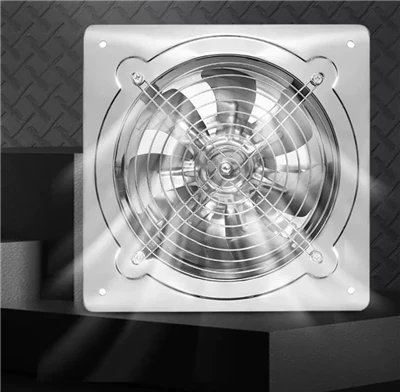
If you’re in the market for an industrial exhaust fan or need assistance with improving the back – pressure resistance of your existing system, I’d be more than happy to help. Contact me today to discuss your specific requirements and let’s work together to find the best solution for your industrial facility.
Wall Mounted Exhaust Hood References
- Industrial Fan Handbook: A Comprehensive Guide to Fan Selection, Installation, and Maintenance
- Ductwork Design and Installation Standards published by the American Society of Heating, Refrigerating and Air – Conditioning Engineers (ASHRAE)
- Filter Manufacturer’s Guidelines for Filter Maintenance and Replacement
Jiaxing Zenterest Import & Export Co., Ltd.
With abundant experience, we are one of the most professional industrial exhaust fan manufacturers and suppliers in China. Please feel free to wholesale high quality industrial exhaust fan made in China here from our factory. We also accept customized orders.
Address: Room 101-3, Building 46, Zhifu Center, Gaozhao Subdistrict, Xiuzhou District, Jiaxing City, Zhejiang Province, P.R.China
E-mail: bonnie.wu@zenterestvent.com
WebSite: https://www.zenterestvent.com/
