Hey there! As a supplier of beaming machines, I’ve had my fair share of chats with customers looking to understand what makes these machines tick. Let’s dive into the performance indicators that really matter when you’re considering a beaming machine for your textile business. Beaming Machine

1. Yarn Loading Capacity
One of the first things you’ll want to know about a beaming machine is how much yarn it can handle. Yarn loading capacity is a key performance indicator. It refers to the maximum amount of yarn that the machine can wind onto a beam at one time.
For small – scale textile operations, a beaming machine with a lower yarn loading capacity might be sufficient. Maybe it can handle around 50 to 100 cones of yarn. This is great if you’re making small batches of specialty fabrics or doing test runs.
But for large – scale production, you’re going to need a machine that can load a whole lot more. Some of the high – end beaming machines we offer can handle upwards of 500 cones of yarn. That means you can produce large beams in one go, which is super efficient for mass – producing fabrics.
2. Winding Speed
Winding speed is another crucial performance indicator. It’s all about how fast the machine can wind the yarn onto the beam. A higher winding speed generally means more productivity.
Our beaming machines come with different winding speed options. The slower ones can wind at around 200 meters per minute. These are good for delicate yarns that need extra care during the winding process. For example, if you’re working with silk or some fine synthetic fibers, a slower speed helps prevent breakages.
On the other hand, our high – speed beaming machines can reach speeds of up to 1000 meters per minute. This is ideal for bulk production of common fabrics like cotton or polyester. With such a high speed, you can significantly reduce the production time and increase your output.
3. Winding Uniformity
Winding uniformity is often overlooked but is extremely important. It refers to how evenly the yarn is wound onto the beam. A machine that provides good winding uniformity ensures that the tension of the yarn is consistent across the entire beam.
When the winding is uniform, the fabric produced will have a better quality. There won’t be any thick or thin spots, and the overall appearance of the fabric will be more consistent. Our beaming machines are equipped with advanced tension control systems. These systems monitor the tension of the yarn in real – time and make adjustments as needed to ensure perfect winding uniformity.
4. Beam Density
Beam density is related to how tightly the yarn is wound onto the beam. It’s an important performance indicator because it affects the quality of the subsequent weaving process.
A proper beam density ensures that the yarns are held together firmly on the beam, but not so tightly that they break during weaving. Our beaming machines allow you to adjust the beam density according to the type of yarn and the requirements of your weaving project.
For example, if you’re using a thick, bulky yarn, you might want a lower beam density to prevent excessive compression. On the other hand, for a fine yarn, a slightly higher beam density can help keep the yarn in place and prevent tangling.
5. Yarn Tension Control
Yarn tension control is at the heart of a good beaming machine. If the tension is too high, the yarn can break, leading to production delays and increased waste. If the tension is too low, the yarn might not wind properly, resulting in uneven beams.
Our beaming machines are designed with state – of the – art tension control mechanisms. These mechanisms can adjust the tension for each individual yarn, ensuring that every single thread on the beam is wound with the right amount of tension. This not only improves the quality of the wound beam but also extends the life of the yarn and reduces the wear and tear on the machine.
6. Machine Efficiency
Machine efficiency is a combination of all the above factors. It’s about how well the beaming machine performs as a whole in terms of productivity, quality, and energy consumption.
A highly efficient beaming machine will have a high yarn loading capacity, a fast winding speed, good winding uniformity, proper beam density, and excellent yarn tension control. At the same time, it should also consume less energy. Our machines are engineered to be as efficient as possible. We use advanced motor technologies and energy – saving components to reduce the power consumption without sacrificing performance.
7. Maintenance Requirements
Maintenance is an important aspect of any machine, and beaming machines are no exception. A good beaming machine should have low maintenance requirements.
Our beaming machines are designed with easy – to – access parts. This makes it simple for your maintenance staff to perform routine checks and repairs. We also provide detailed maintenance manuals and offer training services to ensure that you can keep your machine in top – notch condition.
Regular maintenance not only extends the life of the machine but also helps maintain its performance. For example, cleaning the tension control devices regularly can prevent them from malfunctioning and ensure consistent yarn tension.
8. Compatibility with Different Yarns
In the textile industry, there are all kinds of yarns out there, from natural fibers like wool and linen to synthetic fibers like nylon and acrylic. A good beaming machine should be compatible with a wide range of yarns.
Our beaming machines can handle different types of yarns, whether they are thick or thin, smooth or textured. We’ve fine – tuned the machine’s settings and components to accommodate the unique properties of each type of yarn. This means you don’t have to buy a different machine for each type of yarn you work with, which can save you a lot of money in the long run.
9. Error Detection and Alarm Systems
Mistakes can happen during the beaming process, like a yarn breakage or a tension imbalance. That’s where error detection and alarm systems come in handy.
Our beaming machines are equipped with advanced sensors that can detect errors in real – time. As soon as a problem is detected, the machine will trigger an alarm, alerting your operators. This allows them to take immediate action, reducing the amount of wasted yarn and minimizing production downtime.
10. Ease of Operation
Last but not least, a beaming machine should be easy to operate. Our machines come with user – friendly control panels that are intuitive and easy to understand. Even if your operators are new to beaming machines, they can quickly learn how to use our machines with minimal training.
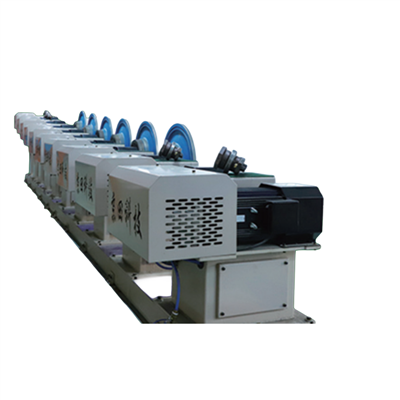
We also provide on – site installation and training services. Our technicians will not only install the machine for you but also teach your operators how to use it safely and efficiently. This ensures that you can start producing high – quality beams right away.
Beaming Machine Well, there you have it – these are the main performance indicators of a beaming machine. If you’re in the market for a beaming machine, I hope this blog has given you a better understanding of what to look for. We’re here to help you find the perfect beaming machine for your business. If you’re interested in learning more or discussing a potential purchase, feel free to reach out. Let’s have a chat and see how we can help you take your textile production to the next level.
References
- Textile Machinery Handbook, 3rd Edition
- Journal of Textile Engineering and Technology, various issues
- Industry reports on textile machinery performance
Jiangsu Huanqiu Jingtian Machinery Co., Ltd.
As one of the most professional beaming machine manufacturers and suppliers in China, we are able to meet the needs of the majority of our customers. Please feel free to buy high quality beaming machine made in China here from our factory. Contact us for more details.
Address: No.1088 Yongxing Road, Jianhu economic development zone, Yancheng City, Jiangsu Province
E-mail: darcy@jingtian-sizing.com
WebSite: https://www.cnhqjtjx.com/
