If you’ve ever stood on a shop floor watching a lathe bite into a block of steel, or seen a milling machine cut through aluminum like it was soft clay, you might not think much of the pale, misty fluid being pumped over the work—let’s call it metalworking fluid (MWF) for short. Most shop teams I work with when I’m out meeting with our clients in manufacturing hubs across the Midwest just refer to it as “coolant” and treat it like an afterthought, something you top off when the sump runs low and change when it starts smelling funky. But here’s the thing: over the last 12 years I’ve been selling MWF, I’ve seen a $50,000 job go south because a client skipped a fluid top-up, and another save $12,000 a year in tooling costs just by switching to the right fluid for their specific shaping operation. MWF isn’t just “coolant”—it’s a performant, engineered workhorse that makes or breaks how shaping operations actually go. Let me walk you through what that performance actually looks like, and why the guys running CNC machines, the tool room supervisors, and yes, even the procurement teams need to stop treating this stuff like an afterthought. Metalworking Fluid
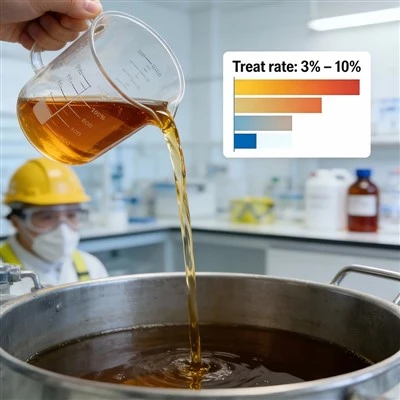
First, let’s get one basic fact straight: shaping operations—whether that’s turning, milling, drilling, grinding, or any of the dozen other processes that take a solid billet of metal and turn it into a part for a tractor, a medical device, or a aerospace turbine—generates an insane amount of heat. When a cutting tool hits a workpiece, the friction between the two surfaces can push the local temperature up to 1,000°C (1,800°F) in the contact zone. That’s hot enough to soften tool steel, deform the workpiece, and even create tiny micro-cracks that will show up later when the part is under stress. The main job MWF does is thermal regulation, but it’s way more specific than just “keeping things cool.”
Take grinding, for example. Grinding uses hundreds of tiny abrasive grains to shave off micro-thin layers of material, and those grains are moving so fast that the dust and chips they create can reach temperatures that would burn a hole through a workpiece if left unchecked. I worked with a custom parts shop last year that was running parts for agricultural equipment on their surface grinder. They were using a generic, water-based fluid that was just cooling the surface of the part, not getting into the tiny gaps between the grinding wheel and the workpiece. The result? They were getting a phenomenon called “burnish marks” on the part—super fine, hazy streaks that showed up during quality control, and meant they had to rework 7% of every batch. When we switched them to a semi-synthetic MWF with better lubricity additives, the fluid seeped into those micro-gaps because of its surface tension properties, pulled the heat away from the cutting zone instead of just the part surface, and the rework rate dropped to less than 1%. That’s a direct performance win right there—MWF didn’t just cool things; it targeted the specific heat source of their shaping process.
Next, there’s lubrication. This is another core performance function that people sleep on. When a cutting tool is engaged with a workpiece, the friction between the two isn’t just heat—it’s wear on the tool and the part itself. If you don’t have enough lubrication, the tool will wear out faster, which means more tool changes, higher costs, and longer cycle times for every part. I had a shop specializing in automotive engine components come to me three years ago. They were machining crankshafts with a high-speed steel (HSS) tool, and they were replacing each tool every 45 pieces. They were using a straight soluble oil MWF that broke down at the high cutting speeds they were running. We suggested an extreme pressure (EP) additive package in a synthetic MWF—additives that react with the metal surfaces at high temperatures to create a slippery chemical barrier. After switching, their tool life jumped to 112 parts per tool. Do the math: that’s almost three times more parts, fewer tool purchases, less downtime swapping tools, and a $18,000 annual savings on tooling alone for their 5 machines. That’s the kind of performance that directly hits the bottom line, not just some technical spec on a data sheet.
But performance isn’t just about tool life and heat. It’s also about part quality and surface finish, which is make-or-break for a lot of industries. For parts that go into aerospace, medical devices, or even consumer electronics, a smooth, defect-free surface isn’t just a nice-to-have—it’s a requirement. Let’s take turning operations on a brass part for a valve, for example. If the MWF has poor lubricity, the chip that’s being cut off can rub back against the freshly turned surface, leaving tiny scratches or built-up edge (BUE)—those little clumps of metal that stick to the cutting tool and leave uneven marks. A friend who runs a medical device machining shop told me last year that their BUE rate was 5% on titanium hip implants, which meant they had to reject parts that cost $250 each. We switched them to an MWF with specialized boundary lubricants that prevent BUE formation, and that rejection rate dropped to zero. Now, that’s not just saving them money on scrap—it’s keeping up with strict FDA standards for implant components, which means they haven’t missed a single order deadline in two years.
Wait a second, though—what about the other side of performance? All these gains are great, but if the MWF is messy, stinky, or hard to maintain, it’s not going to perform for long. A lot of shops I visit struggle with sump health. MWFs can get contaminated with metal chips, tramp oil from hydraulic lines, and bacteria that break down the fluid, make it smell like rotten eggs, and reduce its performance over time. I had a large job shop in Ohio that was changing their sumps every 30 days because their old fluid was breaking down, costing them over $10,000 a year in fluid disposal and downtime. We worked with them to set up a regular maintenance schedule—weekly testing of pH and concentration, skimming tramp oil, and topping up with the right blend of semi-synthetic MWF that had built-in biocides and stability. After six months, they were only changing sumps every 90 days, and their tool life actually increased another 15% because the fluid was consistent in its performance, not degrading halfway through the sump’s life. That’s a long-term performance play that a lot of people miss: MWF has to perform over its entire lifecycle, not just when you first pour it into the machine.
I want to be clear here—this isn’t one-size-fits-all. The MWF that works great for a high-speed aluminum milling operation is going to be terrible for a heavy-duty steel turning job. I learned that early on, when I recommended a water-based fluid for a shop that was running high-load grinding on Inconel for power generation. That fluid couldn’t handle the extreme pressure and high heat, and they burned up three grinding wheels in a week. Now, when I meet with a new client, the first thing I ask is: what material are you cutting? What operation are you doing? What are your cycle times? What’s your tolerance for surface finish? I don’t just hand them a bottle and say “this is the best MWF.” I work with them to test a small batch first, run it on their actual parts, measure tool life, rework rates, sump life, and then adjust as needed. That’s how performance is actually achieved—customized to their specific shaping operation, not a generic product off the shelf.
Let’s talk about recent developments too, because MWF performance has gotten a lot more sophisticated in the last five years. A lot of our clients are moving to high-pressure, high-volume (HPHV) delivery systems for MWF, right? So the fluid has to be formulated to flow through tiny nozzles at high pressure without foaming, while still providing the lubrication and cooling where it counts. I’ve been working with a aerospace parts manufacturer that uses HPHV in their titanium machining, and they switched to our new synthetic MWF that has low foaming characteristics and is designed to maintain its lubricity even at 1,000 psi pressure. They’re now cutting cycle times by 20% because the fluid is getting to the cutting zone faster, and their tool life is up 25% compared to their old fluid that couldn’t handle the high pressure. That’s the kind of performance innovation that’s keeping manufacturers competitive right now, especially as they push for faster, more precise shaping operations.
I think the biggest misconception out there is that MWF is just a commodity. It’s not. It’s a specialized chemical product, engineered to interact with specific metals, specific tools, and specific operations. I’ve been selling MWF long enough to have seen clients go from struggling with rework, high tool costs, and missed deadlines to being some of the most profitable shops in their region just by optimizing their MWF usage. The key is to treat it like the critical component it is, not an afterthought. That means working with a supplier who will take the time to understand your specific shaping operations, test fluids on your equipment, and provide ongoing support to make sure the fluid is performing at its best over time.
Hydraulic Oil If you’re a shop owner, a production manager, or someone involved in shaping operations, I want you to think about this the next time you check your MWF sump: what is this fluid actually doing for your process? Is it helping you reduce costs, improve quality, and keep your machines running smoothly? If the answer is no, it might be time to take a closer look at your MWF and how it’s performing. We’ve helped hundreds of shops across different industries—from automotive to medical to heavy manufacturing—optimize their metalworking fluid usage, and we’re ready to work with yours. Whether you’re dealing with high tool wear, rework rates, sump maintenance headaches, or just want to make sure you’re getting the most out of your shaping operations, let’s connect to talk through your specific needs and find the right MWF solution for you.
References
- Silva, R., Wallbank, J., & Garmabaki, A. H. S. (2018). The role of cutting fluid in machining operations: A review. Journal of Manufacturing Processes, 35, 602-617.
- De Chiffre, L., & Belluco, W. (2002). Lubrication and cooling in grinding – State of the art. CIRP Annals, 51(2), 635-656.
- Law, E. Y., & Cai, Z. (2021). Advanced metalworking fluids for sustainable manufacturing: Performance, challenges, and future trends. Journal of Cleaner Production, 298, 126775.
- Pawade, R. S., & Joshi, S. S. (2012). Effect of cutting fluid on surface integrity in high-speed turning of Inconel 718. International Journal of Machine Tools and Manufacture, 52(1), 56-67.
MoGen Lubricating Oils
With abundant experience, we are one of the most professional metalworking fluid manufacturers and suppliers in China. We warmly welcome you to wholesale custom made metalworking fluid from our factory. If you have any enquiry about cooperation, please feel free to email us.
Address: No.8003 Chewang Rd, Economic Development Zone Of Jinan, Shandong Province, China 250301
E-mail: sales@mogenoils.com
WebSite: https://www.mogen-oil.com/
