Phosphates are a group of chemical compounds that play a crucial role in the food industry. As a phosphate supplier, I’ve witnessed firsthand the diverse and essential applications of phosphates in various food products. In this blog, I’ll explore the different ways phosphates are used in the food industry and their benefits. Phosphate

1. Emulsification and Stabilization
One of the primary applications of phosphates in the food industry is their use as emulsifiers and stabilizers. Emulsions are mixtures of two immiscible liquids, such as oil and water. Phosphates help to prevent the separation of these liquids by reducing the surface tension between them. This is particularly important in products like mayonnaise, salad dressings, and processed meats.
In mayonnaise, for example, phosphates help to keep the oil and vinegar from separating. They do this by forming a protective layer around the oil droplets, preventing them from coalescing. This results in a smooth, creamy texture that is stable over time. Similarly, in processed meats, phosphates act as emulsifiers to bind the fat and water together, improving the texture and juiciness of the product.
Phosphates also act as stabilizers in many food products. They help to maintain the pH level of the food, which is important for preserving its quality and shelf-life. For instance, in dairy products like yogurt and cheese, phosphates can prevent the formation of curds and whey separation. They also help to control the growth of microorganisms, extending the product’s freshness.
2. pH Adjustment
Controlling the pH level of food is crucial for maintaining its safety, quality, and flavor. Phosphates are commonly used as pH regulators in the food industry. They can either increase or decrease the pH of a food product, depending on the specific phosphate compound used.
In acidic foods such as fruit juices and carbonated beverages, phosphates can be used to increase the pH and reduce the acidity. This not only improves the taste but also helps to prevent the growth of acid-loving bacteria. On the other hand, in alkaline foods like some types of processed meats, phosphates can be added to lower the pH, enhancing the flavor and texture.
The ability of phosphates to adjust the pH is also important in baking. Baking powder often contains phosphates as an acid component. When combined with a base (such as sodium bicarbonate) and moisture, the phosphate reacts to produce carbon dioxide gas. This gas causes the dough or batter to rise, resulting in a lighter, fluffier texture in baked goods.
3. Water Retention
Water retention is a critical factor in the food industry, especially in meat, poultry, and seafood products. Phosphates have the ability to bind water molecules, which helps to prevent moisture loss during processing, cooking, and storage.
In the meat industry, phosphates are added to fresh and frozen meats to improve their water-holding capacity. This results in juicier, more tender meats with better flavor and texture. When meat is cooked, the water that is bound by the phosphates is retained within the muscle fibers, preventing shrinkage and dryness. This not only improves the eating experience but also reduces weight loss during cooking, making the product more cost-effective for both producers and consumers.
Similarly, in seafood products, phosphates can help to maintain the moisture content and prevent the formation of ice crystals during freezing. This helps to preserve the texture and quality of the seafood, ensuring that it remains fresh and appealing when thawed.
4. Chelation
Phosphates are effective chelating agents, which means they can bind to metal ions such as iron, copper, and calcium. This property is important in the food industry for several reasons.
Firstly, chelation can prevent the oxidation of food products. Metal ions can catalyze the oxidation of fats and oils, leading to the development of off-flavors and odors, as well as a decrease in nutritional value. By binding to these metal ions, phosphates can inhibit the oxidation process and extend the shelf-life of products such as margarine, vegetable oils, and fatty meats.
Secondly, chelation can affect the texture and appearance of food. For example, in canned fruits and vegetables, phosphates can bind to calcium ions, which helps to prevent the hardening of the product and maintain its firmness. This is particularly important in products like canned tomatoes, where a soft, mushy texture is undesirable.
5. Nutritional Fortification
Phosphorus is an essential mineral for human health. It plays a vital role in many physiological processes, including bone formation, energy metabolism, and cell signaling. As a result, phosphates are sometimes used in the food industry for nutritional fortification.
Phosphorus is often added to dairy products, cereals, and infant formulas to increase their nutritional value. In dairy products, for example, phosphates can help to enhance the calcium absorption, which is important for maintaining strong bones and teeth. In cereals, phosphates can be added to provide a source of this essential mineral, especially in products that are targeted at individuals with specific dietary needs.
6. Flavor Enhancement
Phosphates can also have an impact on the flavor of food products. They can enhance the natural flavors of food by interacting with taste receptors on the tongue. In some cases, phosphates can also mask unpleasant flavors, making the product more palatable.
In processed meats, for example, phosphates can enhance the savory flavor and improve the overall taste. They can also reduce the metallic taste that is sometimes associated with cured meats. In addition, phosphates can be used to enhance the flavor of cheese, giving it a more intense and complex taste.
Conclusion
As a phosphate supplier, I’m well aware of the numerous applications and benefits of phosphates in the food industry. From emulsification and stabilization to pH adjustment, water retention, chelation, nutritional fortification, and flavor enhancement, phosphates play a vital role in ensuring the quality, safety, and taste of many of the food products we consume every day.
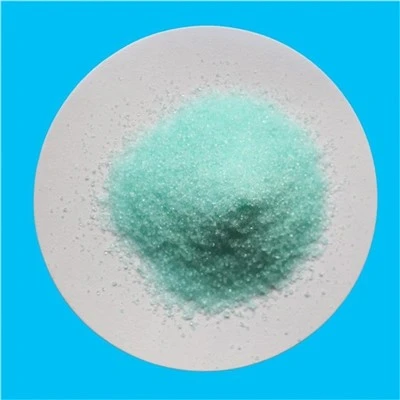
If you’re a food manufacturer or processor looking for high-quality phosphates for your products, I’d be more than happy to discuss your specific needs. Our company offers a wide range of phosphate products that are carefully formulated to meet the strictest quality standards. Whether you need phosphates for meat processing, dairy products, baked goods, or beverages, we have the expertise and the products to help you achieve your goals.
Ammonium Oxalate Contact us today to start a conversation about how our phosphates can enhance your food products. We look forward to working with you to create delicious, high-quality food that meets the demands of your customers.
References
- Belitz, H. D., Grosch, W., & Schieberle, P. (2009). Food Chemistry. Springer.
- Fennema, O. R. (1996). Food Chemistry. Marcel Dekker.
- Potter, N. N., & Hotchkiss, J. H. (1995). Food Science. Chapman & Hall.
Jiangsu Kolod Food Ingredients Co., Ltd.
As one of the most professional phosphate manufacturers and suppliers in China, we’re featured by quality products and good price. Please rest assured to wholesale bulk phosphate made in China here and get free sample from our factory. Customized orders are welcome.
Address: South Side of Weier Road, Guanyun Development Zone, Lianyungang City, Jiangsu Province, China
E-mail: sales1399@jskolod.com
WebSite: https://www.kolod-group.com/
