If you’re reading this, you probably know the pain of having a classic glass door that looks amazing on your home or office but leaves you feeling exposed. Maybe you’re working from home and don’t want passersby to see your messy desk or late-night work sessions. Or maybe it’s the front entry glass door—one wrong glance from a neighbor, and your home layout is wide open. As a classic glass door supplier, I get it: we sell these doors because they add timeless charm, not because we want our customers to sacrifice privacy for good looks. The good news? You don’t have to choose between both. I’ve worked with hundreds of folks to tweak their classic glass doors (from traditional hinged entry models to interior French-style ones) to boost privacy without ruining that “vintage vibe” that makes them stand out. Let’s dive into the real, workable hacks—no fancy, overpriced upgrades needed. Classic Glass Door
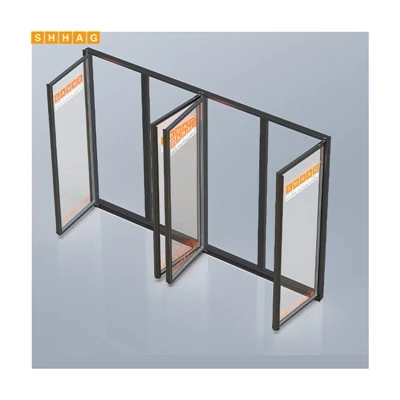
First, let’s start with something super simple that most people overlook: frosted window film. Wait, before you groan and think “that’s the cheap stuff that looks tacky,” hear me out. Not all frosted film is the same. We’ve tested half a dozen brands at our shop, and the matte vinyl that mimics acid-etched glass is the sweet spot. It’s thin, so it doesn’t add bulk to your door, and the finish looks exactly like the delicate, etched patterns you’d find on 100-year-old classic doors—way more elegant than the crinkly, cheap film you’d pick up at a hardware store. The best part? You can apply it yourself in an afternoon. Just clean the glass thoroughly with rubbing alcohol (no streaks allowed) and use a spray bottle of soapy water to smooth it on. It blocks 90% of clear visibility but still lets light filter through—so your door won’t end up dark and cave-like. We’ve even had customers use patterned frosted film with subtle floral or scroll designs (think: the same details you’d see on traditional classic doors) instead of plain matte. That adds a decorative touch, too, so it’s not just a privacy fix—it’s a style update.
If film isn’t your thing, another game-changer is custom etched glass. A lot of people think etching is only for grand, old buildings, but modern glass tech lets you get it done for residential or small office classic doors without breaking the bank. Unlike sandblasting, which is harsh, acid etching gives you a soft, opaque finish that’s uniform across the glass panes. Here’s a tip: ask your glass shop to etch a semi-transparent pattern around the edges of the door, leaving a clear strip in the middle. That way, you still have a spot to hang a welcome sign or show off a fun doorknob, but the rest is private. We recently did this for a coffee shop that had a classic glass front door—they wanted to keep visibility for customers walking by (so they could spot it from the street) but block the view of the back prep area. The etching turned out subtle, and regulars never guessed it was a custom add-on. It also makes the door feel more intentional, not like an afterthought.
Now, if your classic glass door has multiple panes (like French doors with tiny glass sections), blinds might sound like a no-go—but trust me, they can work, and they don’t ruin the vintage look. Skip the cheap plastic mini blinds—go for thin, fabric roller blinds in a neutral tone (off-white, light gray, or a soft cream) that match your door’s wood frame. We’ve installed these on interior classic glass doors for home offices, and they fit inside the door’s frame (so no bulk sticking out) if you get the “inside mount” style. The best part? You can roll them up all the way during the day to show off the glass, then pull them down for privacy at night. For a more upscale vibe, go with sheer linen blinds—they let light through even when closed, so your door still feels airy. We did this for a homeowner with a front classic glass door; she used sheer blinds that blend with her trim, and when they’re closed, you can’t see inside, but the warm glow of her entry lights still shines through. No one would ever guess there’s a blind there—until you tell them.
Wait, what if you don’t want anything stuck to the glass or the door? There are temporary fixes, too, for renters or anyone who doesn’t want permanent changes. Curtains might seem like a basic one, but pick the right ones—no heavy, dark drapes that make the room feel small. Go with a lightweight, floor-length curtain in a subtle pattern that complements your door’s style. For classic glass doors, a curtain with small floral prints or a gingham check looks way more intentional than a plain white sheet. You can hang it on a tension rod inside or outside the door frame—no drilling needed, perfect for renters. We had a renter customer who couldn’t etch or film her apartment’s classic glass front door, so she hung a linen curtain on a tension rod, and it looked so good, her landlord asked where she’d bought the custom door. It’s a cheap, flexible option that works when you can’t make permanent changes.
Another underrated trick for classic glass doors: door hardware and decorative screens that double as privacy. Wait, hardware? Hear me out. A lot of classic glass doors have simple, clear or brass doorknobs—swapping them for a slightly larger, decorative knob or handle adds a subtle layer of visual texture that breaks up clear visibility. It’s not blocking the glass entirely, but it’s enough to make it hard for passersby to see straight through. We also sell small, decorative glass screens (think: vintage-style metal or wood screens with intricate cutouts) that you can slide over the glass pane on interior doors. They’re made to fit exactly into your classic door’s frame, so they look like they were always part of the design. We installed these for a small law office with an interior classic glass door leading to a meeting room; the screen blocks the view of the desk and files, but it still lets light pass through, and the cutout pattern matches the office’s traditional decor. It’s a small change that makes a big difference.
Now, let’s talk about mistakes people make when trying to add privacy to classic glass doors. The biggest one is going too dark. If you add a frosted film that’s too opaque, your door will look cheap and obscure all light—turning that charming classic door into a dark, uninviting slab. Another mistake is adding something that clashes with the door’s style. If your door has ornate wood details (like carved edges or brass trim), a bright, plastic blind won’t fit in. Stick to materials that match the door’s vintage vibe—linen, wood, matte metal, soft fabric. The other mistake is not considering your needs. Are you more worried about night time visibility (when lights are on inside) or daytime? If it’s night, sheers are great, but if it’s daytime, etched film works better because it blocks the sun’s glare and clear visibility when the sun is high.
As a classic glass door supplier, I’ve seen all the fixes, and the best ones are the ones that keep the door’s original charm intact. That’s why we always suggest starting small—try film or a simple blind before committing to etching, unless you’re ready for a permanent change. And if you’re not sure what will work for your specific door (whether it’s a front entry, interior French door, or patio door), our team can help. We’ve worked with thousands of customers across different spaces, and we know how to tweak classic doors without ruining that timeless look.

At the end of the day, your classic glass door shouldn’t be a source of stress about privacy. It should be a feature you love—something that lets light into your home or office, adds character, and works for your needs. If you’re ready to upgrade your classic glass door’s privacy without losing its charm, reach out to our team to chat through options. We can walk you through the best hacks, from temporary fixes to permanent upgrades, so you can enjoy your door without worrying about who’s watching. Don’t settle for a door that looks great but leaves you exposed—let’s make it work for you.
Laminated Glass Door References
- Glass Industry Association. (2022). Residential Glass Privacy Solutions: A Guide for Traditional Door Styles.
- Home Improvement Research Institute. (2023). Balance of Aesthetics and Function: Upgrades for Classic Home Doors.
- Window Film Manufacturers Association. (2021). Best Practices for Applying Decorative Glass Films to Traditional Doors.
- Architectural Digest. (2022). Vintage Door Hacks: Privacy Without Sacrificing Style.
Coste Glass Door Co., Ltd.
As one of the most professional classic glass door manufacturers and suppliers in China, we’re featured by quality products and good price. Please feel free to wholesale bulk classic glass door in stock here and get quotation from our factory. Customized orders are welcome.
Address: 41/47, VILLAGE NO.5 KHOK KRABUE SUBDISTRICT MUEANG SAMUT SAKHON DISTRICT ,SAMUT SAKHON PROVINCE 74000 ,Thailand
E-mail: Alicezhou@shhag.com
WebSite: https://www.costeglassdoor.com/
