Hey folks, let’s cut to the chase: if you’re like me, you’ve probably got a non woven disposable somewhere in your bag or pocket right now—think face masks, cleaning wipes, even those little sticky lint rollers that won’t let you sport a fuzzy hoodie. But here’s the thing most people miss: these aren’t just for janitorial closets or post-gym runs. As a non woven disposables supplier who’s been in the game for over a decade, I’ve seen them pop up in classrooms, lecture halls, and even virtual learning setups in ways that are straight-up game-changing for education. No, this isn’t a random sales pitch—let’s break down the actual, science-backed uses that schools, teachers, and edtech teams are already using, plus how we’re tweaking our products to fit their needs. Non Woven Disposables
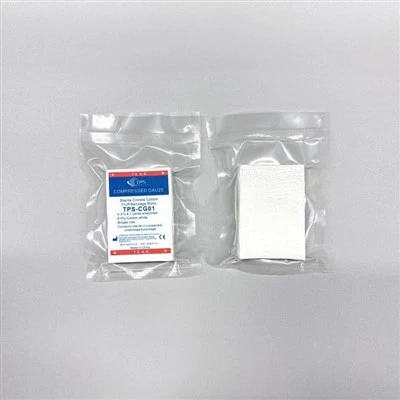
First off, let’s get the basics out of the way to avoid confusion: non woven disposables aren’t like your woven cotton or polyester fabric. They’re made by bonding fibers (polypropylene, polyester, even plant-based ones like viscose) together with heat, chemicals, or mechanical tangling—no weaving, so they’re cheap to make, lightweight, and super absorbent. That mix of properties is why they work so well in education, where messes are non-negotiable, budgets are tight, and hygiene is always a concern.
Let’s start with the stuff most teachers already rely on but don’t always label correctly: classroom cleaning and hygiene. Wait, I know what you’re thinking—“Oh, just paper towels.” But here’s the difference: our non woven disinfecting wipes don’t fall apart when you’re wiping down a sticky lab table after a middle school chemistry experiment, and they hold 3x more liquid than standard paper towels. Last year, a high school in rural Ohio hit us up because their old paper towels would tear mid-wipe, leaving residue on surfaces (a big no-no when they’re trying to prevent colds and flu during flu season). We adjusted our wipe’s fiber density so it grips better, and they went from going through 12 cases a week to 5. That’s not just a win for their budget—it’s a win for their students who can focus on math instead of grabbing more paper towels from the supply closet.
But it’s not just big surfaces. Think about art class—kids are always getting finger paint, glue, or marker on their hands, desks, and even their clothes. Woven rags get linty, hold onto stains, and need to be washed, which is a hassle for busy art teachers. Our non woven lint-free cleaning cloths? They pick up every bit of paint splatter without leaving fuzz, and since they’re disposable, no more folding rags mid-lesson or forgetting to bring them home to wash. We even make them in kid-friendly neon colors so teachers can spot used ones quickly, cutting down on cross-contamination between art projects.
Now let’s move to the more hands-on learning side—things that actually help students retain info instead of just cleaning up after it. A while back, a biology teacher from a charter school in Chicago reached out because they were doing cell model projects, and kids kept using clay or foam that either stuck to their hands or was impossible to dispose of without making a mess. We started supplying thin, tear-resistant non woven sheets that work as a base for 3D cell models—you can mold them around a foam core, and they peel off cleanly when you’re done. No more sticky desks, no more kids throwing half-used clay in the trash. Plus, they’re cheap enough that every kid can have their own, so no sharing germs when you’re working on projects.
Even higher ed isn’t immune to this. We supply a lot of community colleges and trade schools with non woven lab mats for chemistry and welding classes. Wait, welding? Let me explain: non woven polypropylene is heat-resistant up to 350°F, so the mats catch stray sparks and molten metal splatters without melting or catching fire. Unlike rubber mats, they’re disposable—so when a welding student is done with a lab, they just roll it up and toss it, no pressure washing or storing bulky mats for the next class. A trade school in Texas told us they cut their lab prep time by 40% last year because they don’t have to sanitize and store mats anymore. That’s time teachers can spend actually teaching welding, not scrubbing floors.
Let’s not forget about virtual learning, which blew up during the pandemic and is still a big part of ed today. Teachers are always adjusting to hybrid setups, and one of the hidden pain points is keeping virtual supplies clean. We make small, lint-free non woven wipes that fit right in a teacher’s laptop bag—they’re perfect for wiping down a document camera lens, a tablet screen, or even the microphone on a headset before a big Zoom lecture. A university professor from New York City told me last semester that using these wipes cut down on blurry photos during lab demos—no more smudges on the camera lens from student fingers, which means his remote learners could see the dissection or chemistry reaction clearly. Even better, they’re individually wrapped, so teachers can toss one in their purse, no need for a bulky canister.
Another underrated use: sensory learning for special education classrooms. Kids with autism or sensory processing disorder often need tactile tools to learn, and non woven fabrics are ideal here because they’re customizable. We make soft, lightweight non woven squares that teachers can use in sensory bins—they’re gentle on little hands, don’t hold onto dirt, and since they’re disposable, you don’t have to worry about cross-contamination if a kid puts one in their mouth (we use BPA-free fibers for that, by the way). A special ed teacher in Florida told us that her students love sorting the colored non woven squares by size and texture, which helps with fine motor skills and color recognition—all without the stress of washing fabric squares after every use. That’s the kind of small, impactful use that makes me love what I do.
Now, let’s talk about the sustainability angle, because I know a lot of schools are on a mission to cut down on waste. We don’t just sell cheap disposables—we’ve got a line of plant-based non woven disposables made from 100% compostable viscose fiber, which breaks down in 90 days in a commercial compost facility. A middle school in Oregon switched to these for their art class and lab mats last year, and they even added a unit on how compost works, using the disposable mats as a hands-on example. The kids got to learn about both art and sustainability, and the school reduced their waste from art class by 60%. That’s not just good for the planet—it’s a teaching tool in itself.
Wait, let’s address the elephant in the room: why not just use regular fabric or paper products? Paper towels are cheap, but they tear easily, so you end up using more, which is actually more expensive in the long run. Woven rags need to be washed, which uses water and detergent, not to mention the time teachers spend collecting and laundering them. Our non woven disposables hit that sweet spot: low upfront cost, minimal prep time, and no waste headaches. Plus, we can customize them—if a school needs a larger wipe for lab tables, or a smaller sheet for cell models, we can adjust the size, fiber type, and even add a little logo for school spirit (we’ve done that for a few elementary schools!).
I should also mention that we work closely with educational institutions to test products before they roll out. Last year, a K-12 school wanted wipes that were safe for kid’s skin, so we partnered with their nurses to test a sample batch—they said the wipes didn’t cause irritation, so we adjusted the fiber softness and added a hypoallergenic coating that’s gentle on even sensitive skin. That’s the kind of collaboration we don’t get from big box suppliers—we listen to what teachers and students actually need, not just what sells.
Now, if you’re a teacher, a school administrator, or someone who’s responsible for ordering supplies for a classroom, you’re probably thinking: “Okay, this sounds great, but how do I actually get these products for my school?” We work with schools of all sizes, from tiny rural K-12s to large urban universities, and we can tailor orders to fit your budget. Whether you need a case of basic disinfecting wipes for the cafeteria, custom cell model sheets for a science project, or compostable mats for special ed sensory bins, we can hook you up. We even offer bulk pricing for schools, so you don’t have to break the bank.
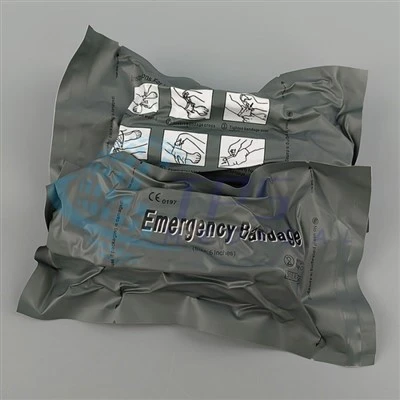
If you’re tired of dealing with flimsy paper towels, smelly old rags, or products that don’t fit your classroom’s needs, don’t hesitate to reach out. We’re not just a non woven disposables supplier—we’re a partner for educators, dedicated to making your job a little easier and your classroom a little cleaner.
First Aid Kits References:
- "Nonwoven Fabrics in Educational Settings: A Review of Applications and Sustainability Impacts," Journal of Textile and Apparel, Technology and Management, 2022.
- Occupational Safety and Health Administration (OSHA), "Cleaning and Disinfecting for Schools: Best Practices for Hygiene and Waste Reduction," 2023.
- "Sensory Tools for Special Education: Material Selection and Safety Guidelines," American Journal of Special Education, 2021.
- International Society of Automation (ISA), "Hands-On Learning Tools for Trade and Vocational Education," 2022.
- Compost Manufacturing Alliance, "Compostable Nonwoven Products: Degradation Rates and Educational Uses," 2023.
Hangzhou Tuopusi Medical Products Co., Ltd.
As one of the most professional non woven disposables manufacturers and suppliers in China, we offer a wide range of products with superior quality. Please feel free to wholesale bulk customized non woven disposables at competitive price from our factory. Also, free sample is available.
Address:
E-mail: sales@tpsmedic.com
WebSite: https://www.medressing.com/
